The Iroquois Confederacy, also known as the Haudenosaunee, created one of the most advanced political and military alliances in North American history. Through disciplined warrior culture, strategic diplomacy, and a powerful system of unity known as the Great Law of Peace, the Iroquois influenced warfare, trade, and even modern democratic systems. This article explores how the Iroquois balanced strength with wisdom and built a civilization that endured for centuries.
🌿 Who Were the Iroquois Confederacy?
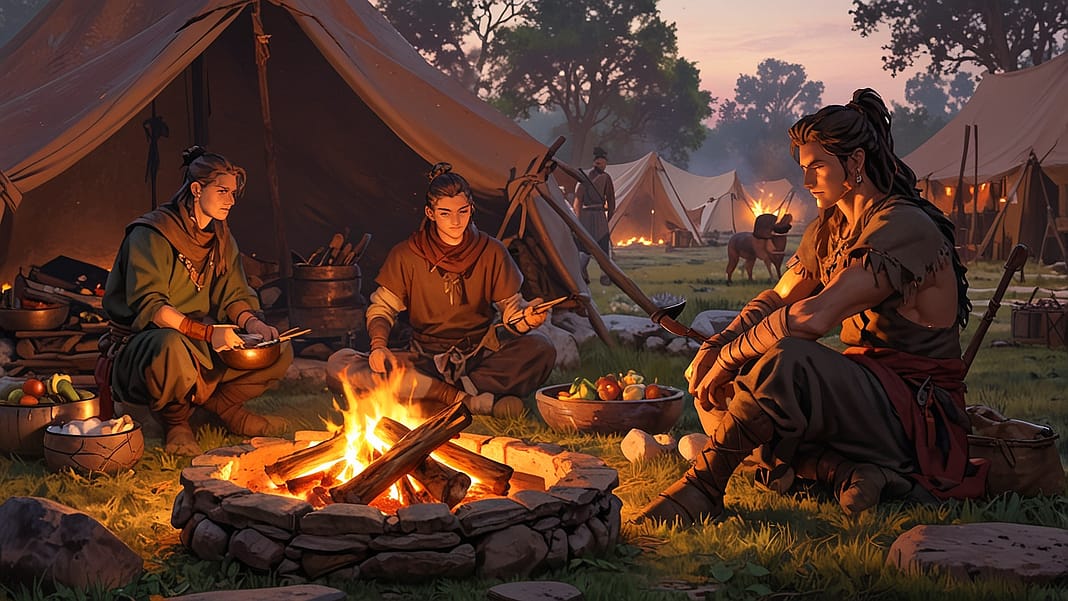
The Iroquois Confederacy was a powerful alliance of Native American nations located in what is now New York State and parts of Canada. They called themselves the Haudenosaunee, which means “People of the Longhouse.”
The original confederacy included five nations:
- Mohawk – Keepers of the Eastern Door
- Oneida – People of the Standing Stone
- Onondaga – Fire Keepers and spiritual leaders
- Cayuga – Guardians of the Central Lands
- Seneca – Keepers of the Western Door
Later, a sixth nation, the Tuscarora, joined the alliance.
Each nation kept its own identity and leaders, but they were united under one shared system of laws, values, and mutual protection.
🏛️ The Great Law of Peace – A System Ahead of Its Time
What truly made the Iroquois unique was their political structure called the Great Law of Peace. This system taught:
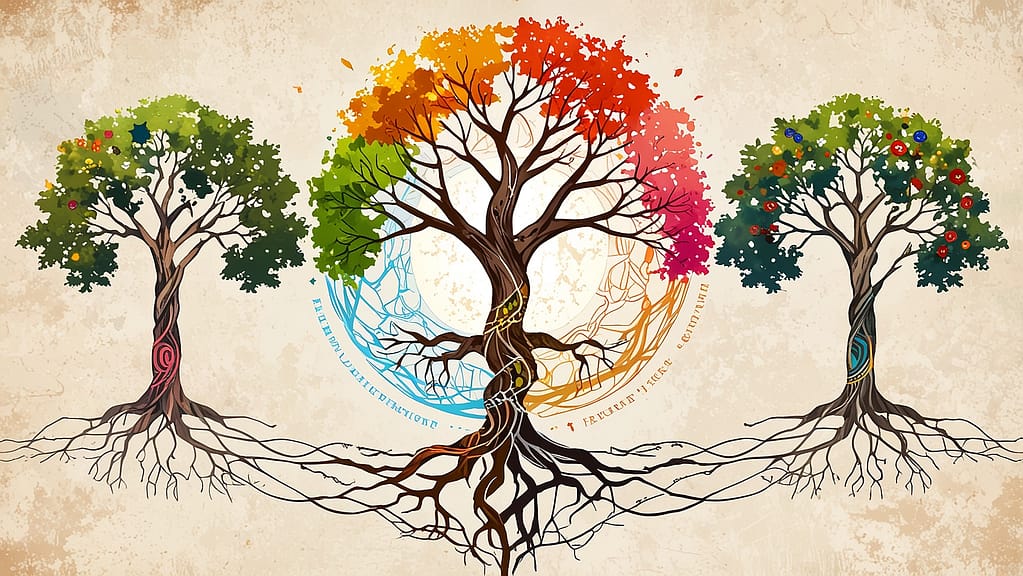
- Unity without losing independence
- Respect between nations
- Peace through cooperation
- Decision-making by consensus instead of force
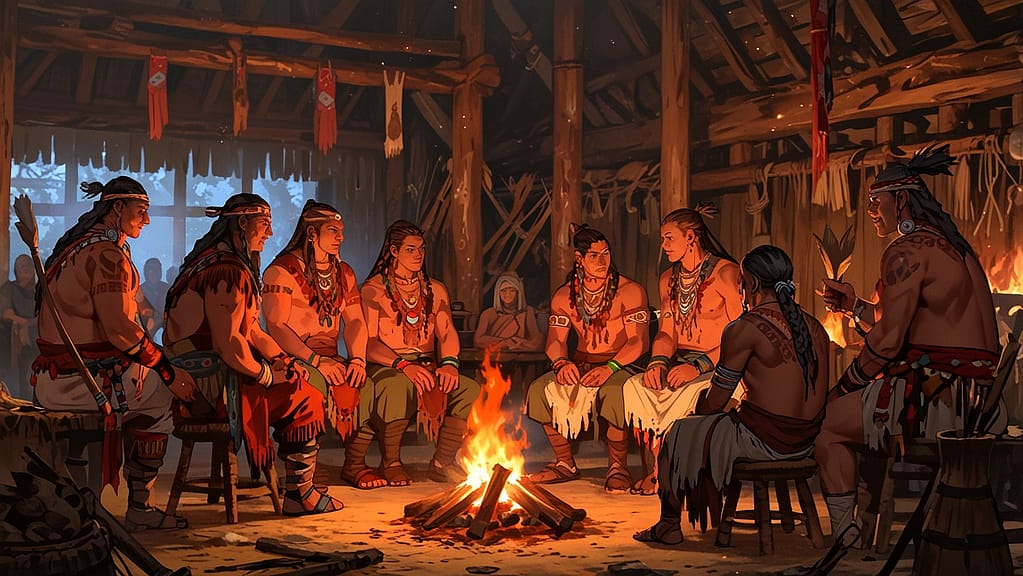
Tribal leaders, called sachems, met in council to discuss important matters such as war, trade, alliances, and disputes. Every voice mattered, and decisions had to benefit the whole confederacy, not just one tribe.
Many historians believe this system influenced early American democracy and even inspired parts of the U.S. Constitution.
⚔️ Warrior Culture and Military Strategy
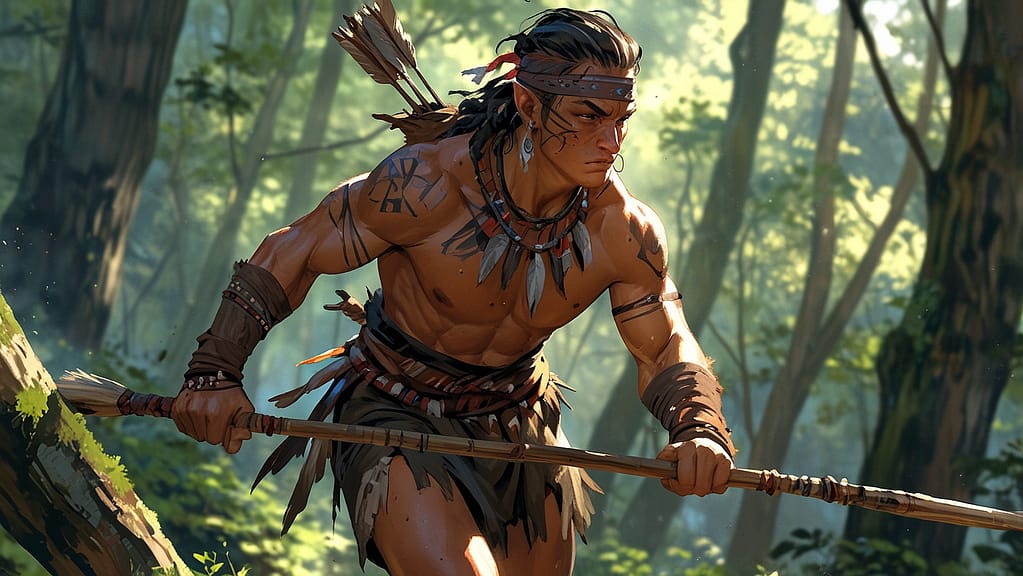
The Iroquois were highly skilled warriors. They trained from a young age in:
- Tracking and stealth
- Hand-to-hand combat
- Bow and arrow accuracy
- Tomahawk fighting
- Ambush tactics and forest warfare
Instead of fighting large open battles, they used guerrilla tactics. Warriors moved quietly through forests, struck quickly, and disappeared before enemies could respond. This made them extremely difficult to defeat.
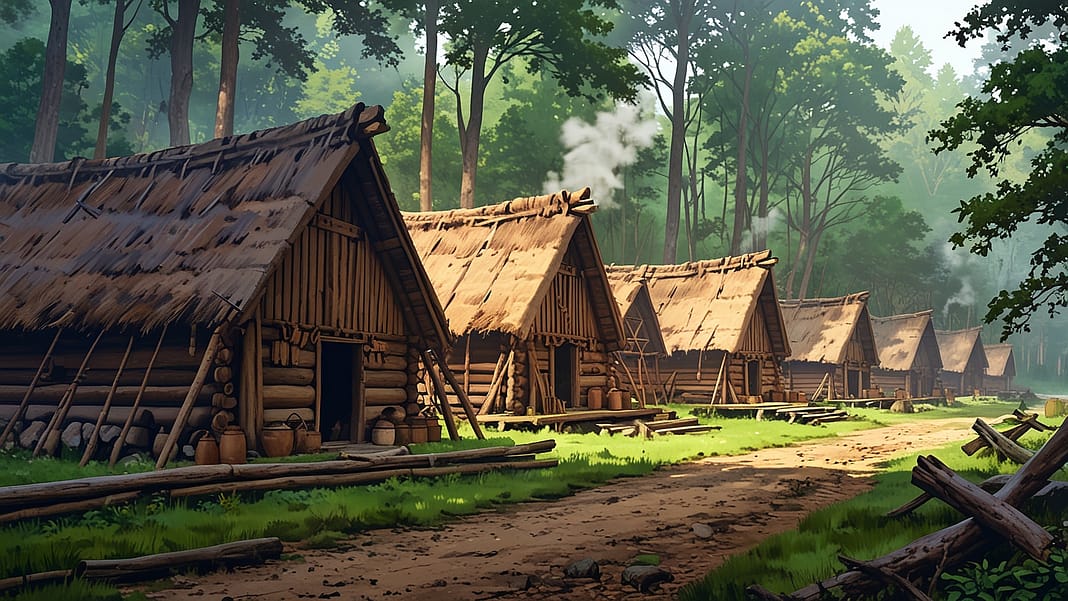
They also built defensive villages protected by wooden palisade walls and placed their settlements in strategic locations for protection and trade.
🤝 Diplomacy as a Weapon
The Iroquois did not rely only on war. They were masters of diplomacy.
They created trade networks that stretched across large parts of North America. They formed alliances with other tribes and later negotiated with European settlers and colonial governments.
Their ability to balance peace and strength allowed them to remain powerful for generations while many other tribes were overwhelmed or destroyed by conflict.
They understood that sometimes the strongest move is not fighting — it is building relationships and controlling influence.
🏹 The Longhouse Lifestyle
The longhouse was the heart of Iroquois life. These massive wooden buildings housed multiple families from the same clan. Each longhouse could stretch over 100 feet long and symbolized the unity of the confederacy itself.
Inside the longhouse:
- Families shared resources
- Elders passed down knowledge
- Decisions were discussed openly
- Children learned discipline and responsibility
Women played an important role in society and even helped choose leaders. Balance between men and women was a core value in Iroquois culture.
🌎 Influence on Modern Society
The Iroquois Confederacy left a lasting impact on North America. Their ideas about shared leadership, freedom, and cooperation influenced early American thinkers.
Even today, the Haudenosaunee nations remain active, preserving their traditions, language, and sovereignty.
Their legacy reminds us that advanced civilizations existed long before modern governments and that true strength comes from unity, discipline, and wisdom.
🔥 Why the Iroquois Still Matter Today
he Iroquois Confederacy shows that power does not only come from weapons — it comes from organization, trust, respect, and shared purpose.
For modern warriors, athletes, leaders, and entrepreneurs, their story teaches:
- Strong teams outperform strong individuals
- Discipline creates long-term success
- Strategy beats brute force
- Unity multiplies power
These lessons fit perfectly with the Renegade mindset.
The Iroquois Confederacy
The Iroquois Confederacy stands as one of the greatest examples of strategic intelligence and warrior diplomacy in human history. They built a system that balanced strength with peace, independence with unity, and tradition with progress. Their legacy continues to inspire leadership, resilience, and cooperation — proving that true warriors protect not only their people, but their future.