Discover why dogs remain one of the most reliable and loyal forms of home security. Learn which breeds fit your family, whether big or small, how training changes everything, and why adopting the right dog can keep your home safe and full of love.
A Loyal Line of Defense
Technology changes fast — cameras, motion sensors, alarms — but one form of home protection has stood the test of time: the dog. For thousands of years, dogs have guarded people, property, and livestock. Long before we had smart locks, we had smart canines.
A well-chosen, well-trained dog doesn’t just detect threats — it deters them. Criminals often admit they’d rather face a camera than a barking dog. Even the sound of a growl behind a closed door can make an intruder move on. Dogs don’t just protect things — they protect people.
Big Dog or Small Dog: What’s the Difference?
Choosing the right dog depends on what kind of protection you’re looking for.
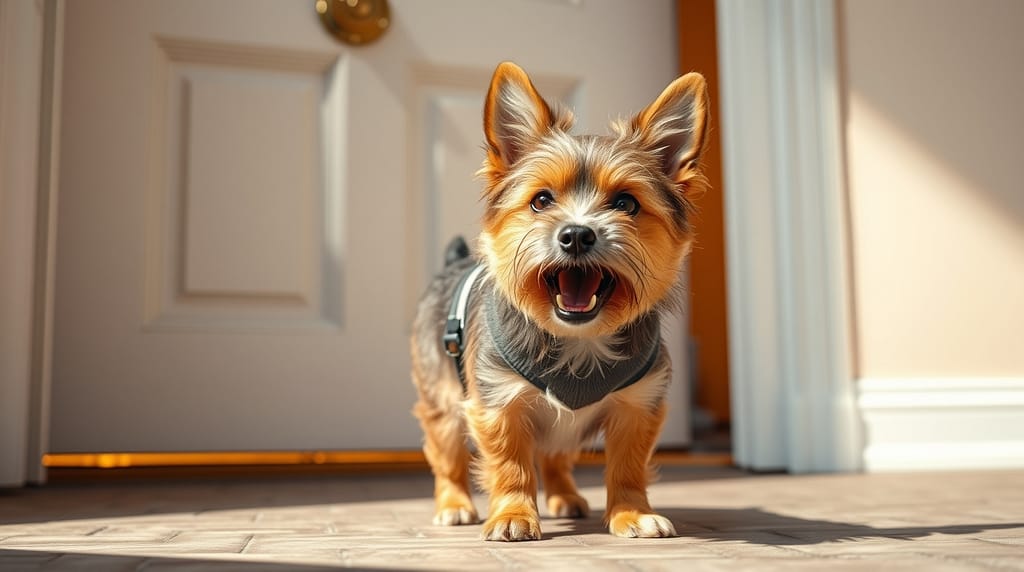
- Small and Medium Dogs: Breeds like terriers, beagles, or miniature pinschers are excellent alert dogs. They may not win a fight with an intruder, but their sharp hearing and loud barks work as early warning systems. They detect strange footsteps, vehicles, and even subtle sounds long before you do.
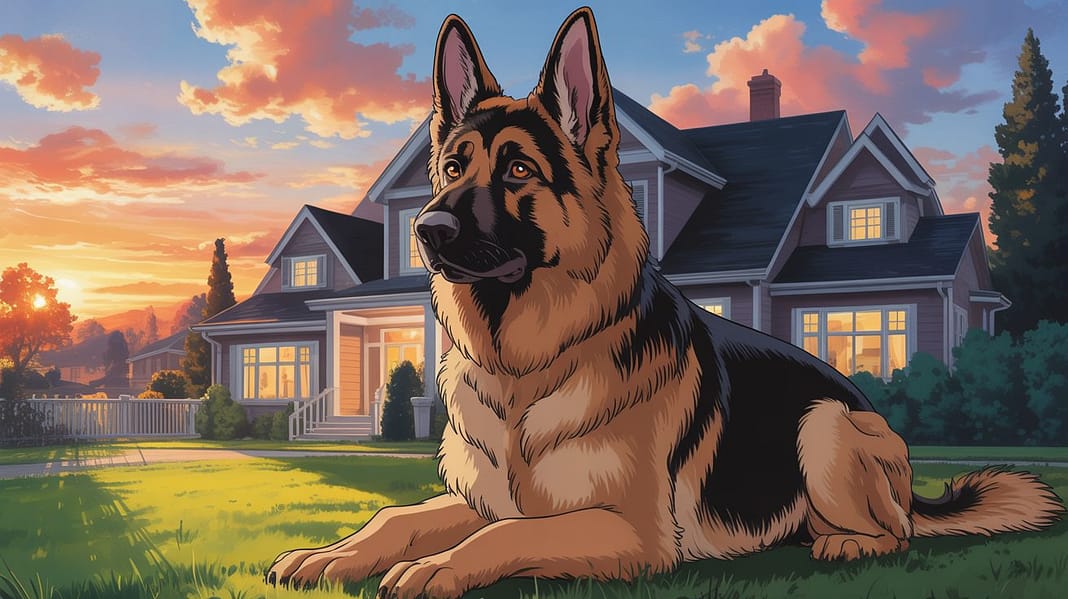
- Large Dogs: German shepherds, Rottweilers, Dobermans, Belgian Malinois, or mastiffs bring physical defense into the picture. These dogs have size, strength, and a deep bark that commands respect. They can hold or disable an intruder if properly trained.
Some homes even benefit from a two-dog system — a smaller dog as an alarm and a larger dog as backup security. The smaller one alerts, the bigger one responds.
Protection or Companion? Both
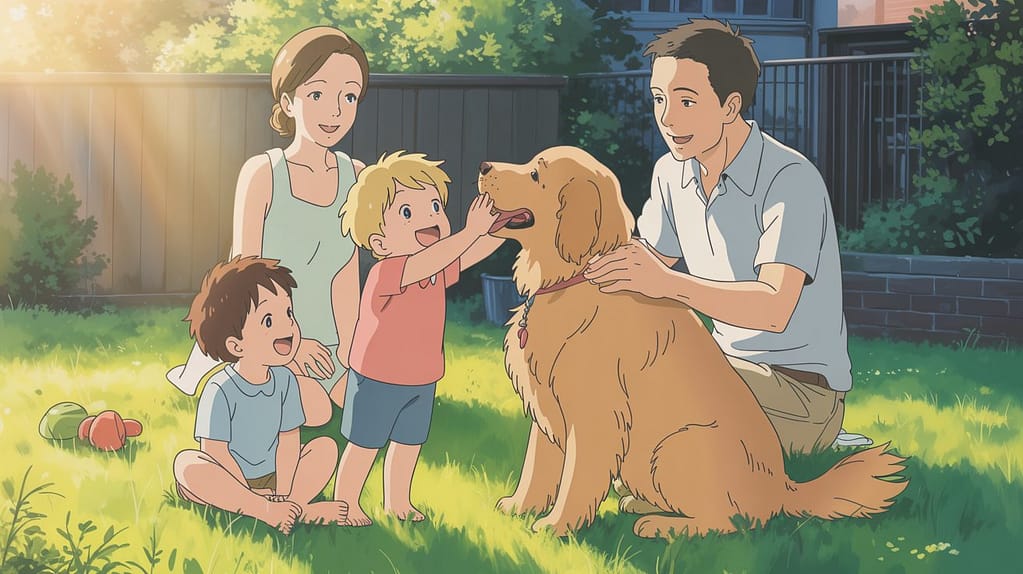
If you have a family, especially children, you want a balance between guardian and companion. Some protection breeds like the German Shepherd, Boxer, and Doberman Pinscher are famously loyal to kids when raised properly. They’re gentle at home but serious when danger appears.
If you have small children, always consider temperament. Breeds like Labradors, Golden Retrievers, and Bullmastiffs make excellent family protectors because they are patient and steady. Avoid overly aggressive or nervous breeds if your home is full of guests or young kids running around.
Training: Professional vs. Personal
Training determines everything. You can have the best breed in the world, but without discipline, the dog’s instincts can turn into bad habits.
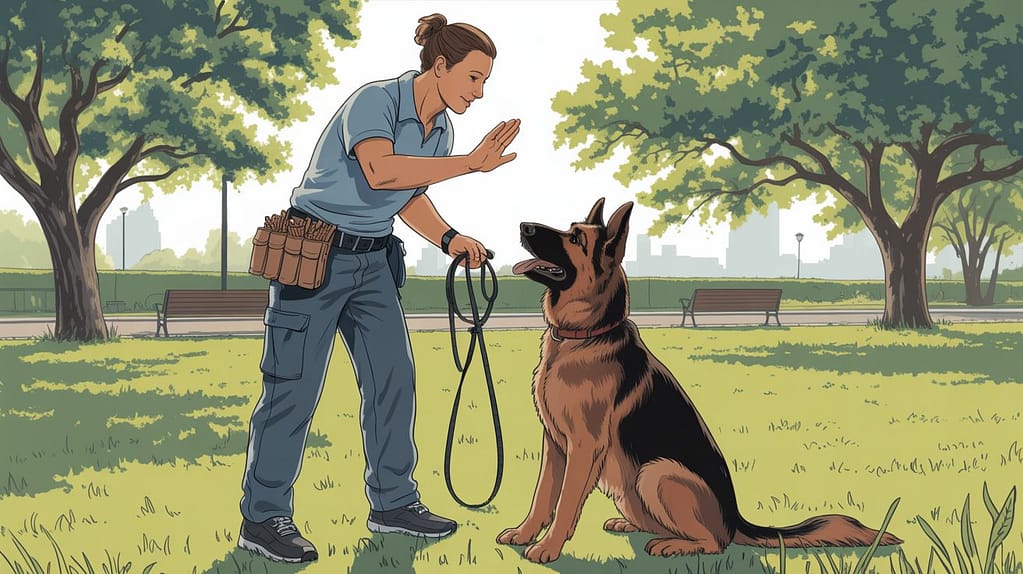
- Professional Training: If you want a real protection or guard dog, professional training is worth every dollar. Trainers teach obedience, controlled aggression, and clear commands. This ensures your dog protects when needed — not when confused.
- Self-Training: If you have experience with dogs, basic obedience, and consistent discipline, you can handle much of the groundwork yourself. But protection training — teaching a dog when to guard, how to release, and when to stop — should always involve a professional, even if just for a few sessions.
Remember, a dog that’s trained with love and consistency is confident, not cruel. The goal is not to make them vicious, but to make them calm, alert, and ready.
Puppy or Adult: Which Is Better?
A puppy is a blank slate — they’ll grow up knowing your voice, your routines, and your family. The downside is time. Training takes months, and you’ll go through teething, housebreaking, and socialization.
Adopting an adult dog can be a great option, especially from a shelter or rescue that temperament-tests their animals. Many adult dogs already know basic commands and house manners.
Yes, you can teach an older dog to protect a home — but patience matters. An adult dog with stable temperament can learn new skills quickly, but a dog with anxiety or aggression issues can be unpredictable around children. Always introduce older dogs slowly and watch how they react to your family’s energy.
Adoption and Family Safety
Adopting is a powerful act of compassion — but it should also be practical. If you have small kids, look for dogs that have lived in family settings or passed temperament evaluations. Avoid dogs with unknown or unstable behavioral histories until you can assess them properly. Shelters often have detailed notes on each dog’s past, energy level, and comfort with children.
When done carefully, adoption gives you a loyal guardian and a grateful friend who will never forget that you gave them a home.
Man’s Best Friend — Still the Best Alarm
Dogs don’t run out of batteries, they don’t go offline, and they don’t need a subscription fee. Their instincts, loyalty, and courage make them one of the most dependable security systems in the world — one that loves you back.
The right dog doesn’t just protect your house. They become part of the tribe, watching over your family day and night. Whether it’s a 90-pound German Shepherd or a 15-pound terrier with a lion’s heart, a good dog doesn’t just guard your home — they guard your peace of mind.