Discover the real Roman legionary diet secrets and how ancient soldiers fueled the Roman Empire with simple, powerful food. Learn what Roman warriors ate, how they stayed strong, and how you can apply these timeless nutrition lessons to your own health and fitness today.
The Power Behind Rome’s Army
The Roman Empire ruled much of the known world for hundreds of years. Their success did not come only from weapons, armor, and battle tactics. It also came from how Roman soldiers ate every day.
A Roman legionary marched long distances, carried heavy gear, dug camps, built roads, and fought brutal battles. He needed strong muscles, steady energy, and a tough stomach. The Roman diet was simple, cheap, and powerful.
They did not eat fancy food. They ate food that worked.
🍞 The Foundation: Grain and Bread
The most important food for Roman soldiers was grain, especially wheat and barley.
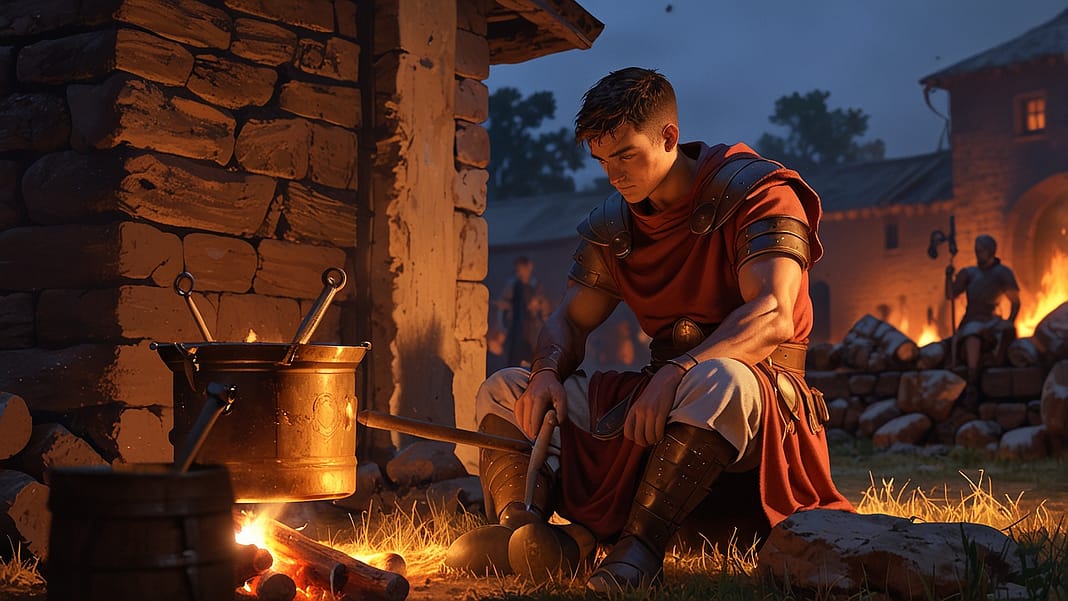
Soldiers were often given dry grain and had to grind it themselves into flour. They made bread or porridge called puls.
Why grain mattered:
- Gave long-lasting energy
- Easy to store and transport
- Cheap and filling
- Helped soldiers march all day without crashing
Modern lesson:
Whole grains like oats, brown rice, and whole wheat give steady energy and keep you full longer.
Beans and Lentils: The Protein Power
Romans did not eat a lot of meat every day. Instead, they relied on beans, lentils, and peas for protein.
These foods were easy to carry, lasted a long time, and kept soldiers strong.
Benefits:
- Built muscle and strength
- Supported recovery after hard work
- Filled the stomach without heavy cost
Modern lesson:
Beans and lentils are cheap, healthy protein sources that help muscle repair and digestion.
🥩 Meat and Fish: Fuel for Hard Campaigns
Meat was eaten when available — pork, beef, goat, and sometimes wild game. Fish was common near the coast.
Meat gave extra strength during heavy fighting or long marches.
Benefits:
- High protein for muscle growth
- Iron for energy and endurance
- Fat for long-lasting calories
Modern lesson:
Lean meats and fish help build muscle and support strength training.

🧄 Vegetables, Herbs, and Healing Foods
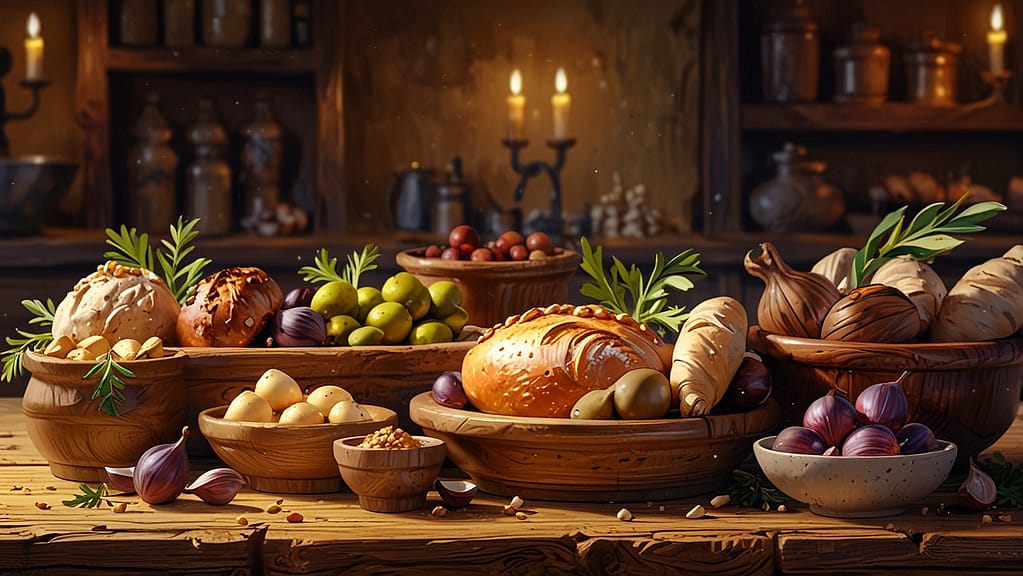
Romans ate onions, garlic, cabbage, leeks, herbs, and olives.
Garlic was believed to boost strength and protect against sickness. Cabbage was used for healing wounds and digestion.
Benefits:
- Vitamins and minerals
- Immune system support
- Better digestion
Modern lesson:
Vegetables protect your health and help your body recover faster.
🧂 Salt, Vinegar, and Electrolytes
Roman soldiers drank posca — water mixed with vinegar and salt. It helped kill bacteria and replaced minerals lost through sweat.
Benefits:
- Prevented dehydration
- Replaced electrolytes
- Kept water safer to drink
Modern lesson:
Electrolytes help hydration during workouts and hot weather.
🍎 Fruit, Nuts, and Honey
Fruits like apples, figs, grapes, and dates were common. Nuts provided fats and energy. Honey was the main sweetener.
Benefits:
- Quick energy
- Natural sugars
- Healthy fats
Modern lesson:
Fruit and nuts are great snack fuel before workouts.
⚔️ Discipline Over Comfort
Roman soldiers followed strict routines. They ate enough to stay strong but not enough to become lazy or soft. They valued function over pleasure.
This mindset built mental toughness as much as physical strength.

🧠 What We Can Learn Today
You don’t need fancy supplements to stay strong. The Roman diet teaches us:
✅ Eat simple whole foods
✅ Focus on steady energy
✅ Get enough protein
✅ Stay hydrated
✅ Avoid junk and excess sugar
✅ Build discipline around eating
Strength starts in the kitchen.
🏁 Final Thoughts
The Roman legionary diet was not about luxury — it was about survival, endurance, and power. Simple foods fueled one of the greatest armies in history. If those foods built an empire, they can help build a stronger you.
Eat like a warrior. Train like a warrior. Live with purpose.