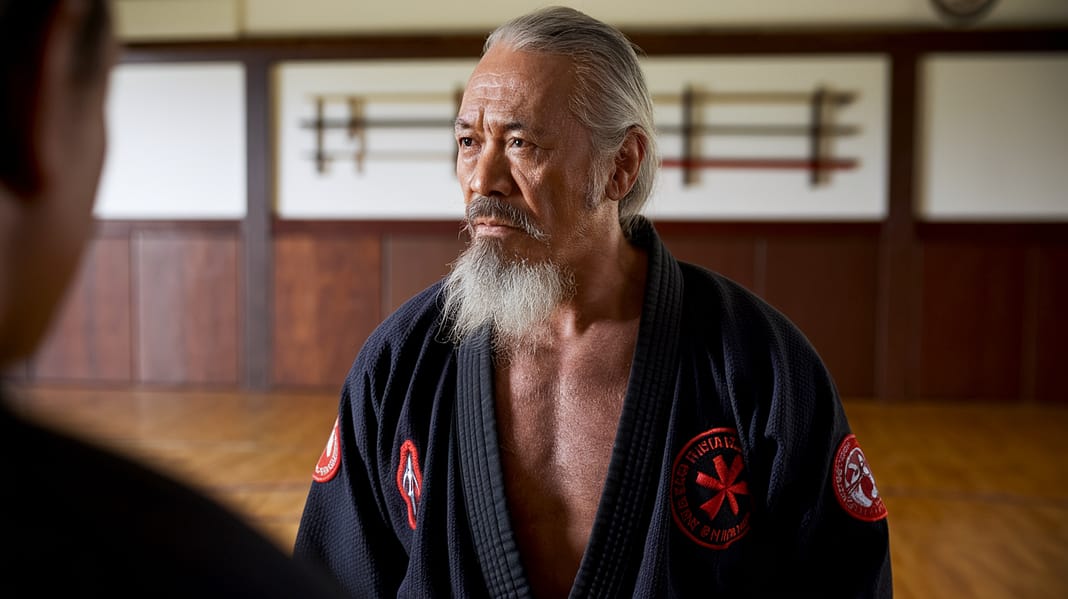
Discover Pencak Silat — the fluid Indonesian martial art. Learn its history, essential techniques, training tips, and how to start practicing today. Perfect for fighters, fitness fans, and combat historians.
Pencak Silat: Flow, Power, and Survival from the Indonesian Archipelago
Pencak Silat — often shortened to Silat — is a broad family of martial arts from Indonesia, Malaysia, and surrounding regions. Known for its fluid footwork, deceptive angles, and devastating close-range strikes, Silat blends strikes, joint manipulation, throws, and weapon work. More than a fighting system, it’s a cultural tradition rooted in dance, ritual and community. Whether you’re a modern fighter, self-defense student, or combat historian, Silat offers a practical, beautiful, and sometimes brutal way to move and fight.
A Brief History: From Villages to the World Stage
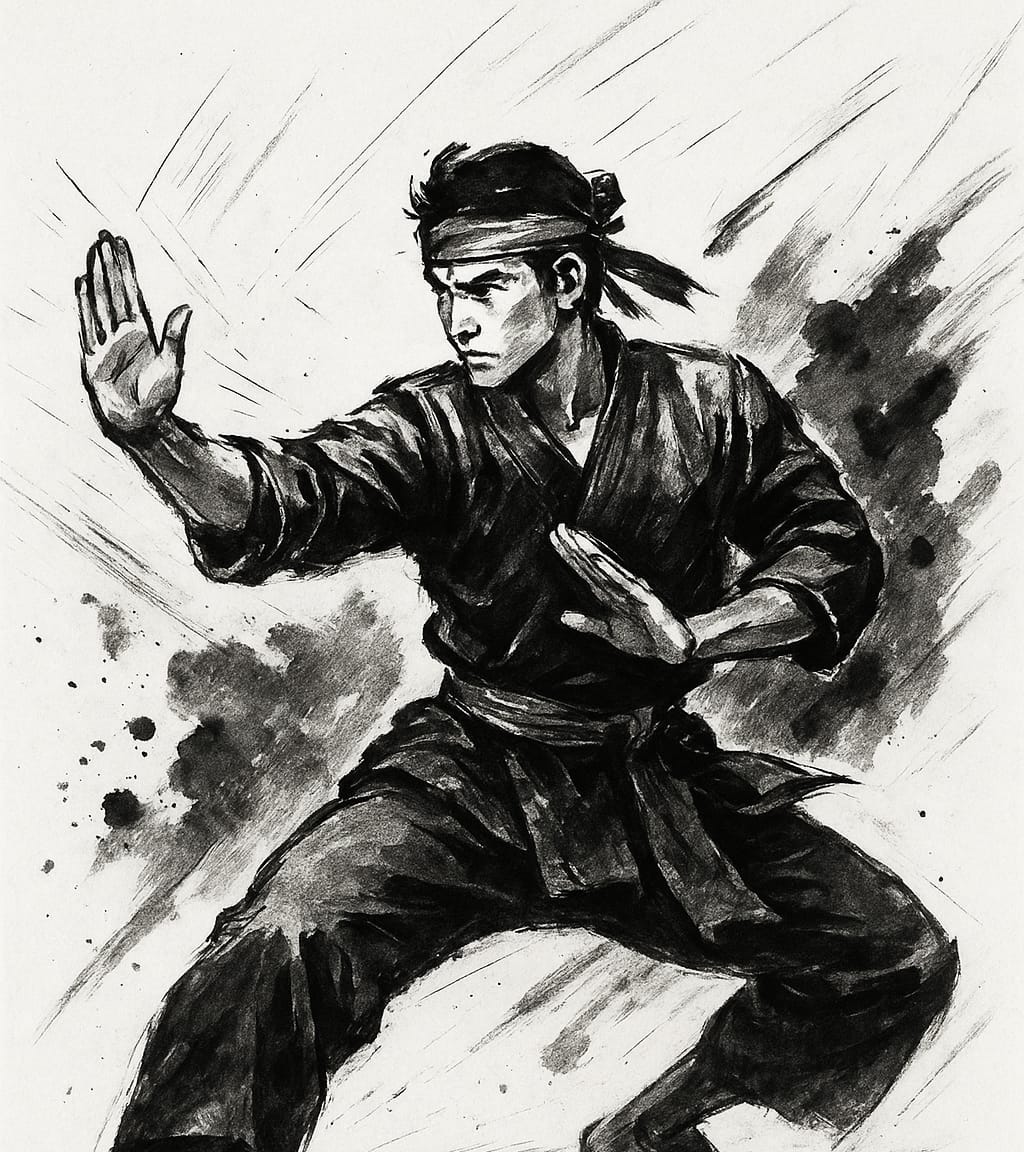
Silat developed across the Indonesian islands and Malay world over centuries. Each region has its own style and vocabulary — Minangkabau, Betawi, Sundanese, Silat Harimau (tiger style), and many more. Historically practiced for village defense, hunting skills, and ritual, the art adapted over time into competitive, performance, and combative branches. Today Silat is taught in dojos worldwide and showcased in demonstrations and international competitions.
Core Principles & Movement
- Economy of motion: minimal telegraphing, efficient strikes.
- Angles and entry: use of deceptive angles and off-line footwork to bypass an opponent’s guard.
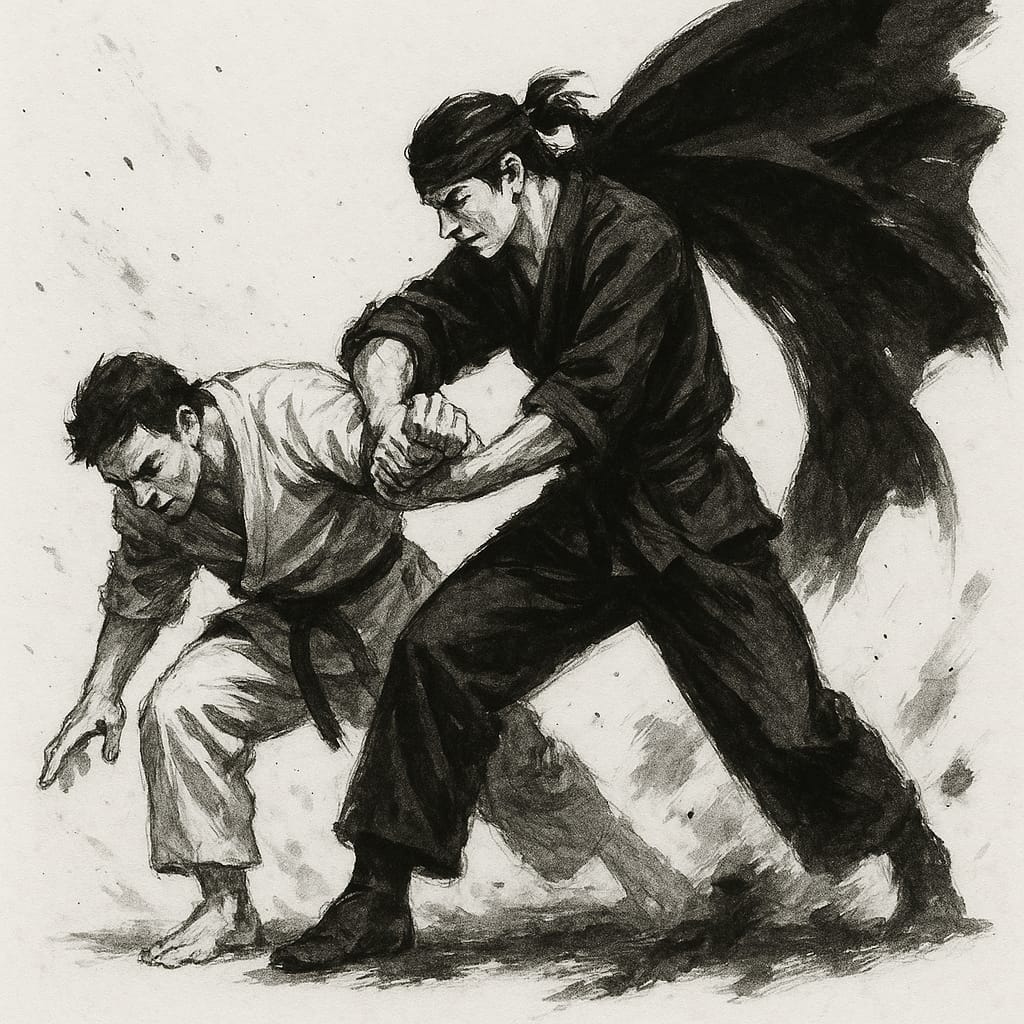
- Close-range dominance: clinch, joint locks, throws, and short strikes are prioritized.
- Flow and rhythm: transitions between striking, seeding balance, and takedowns feel like dance.
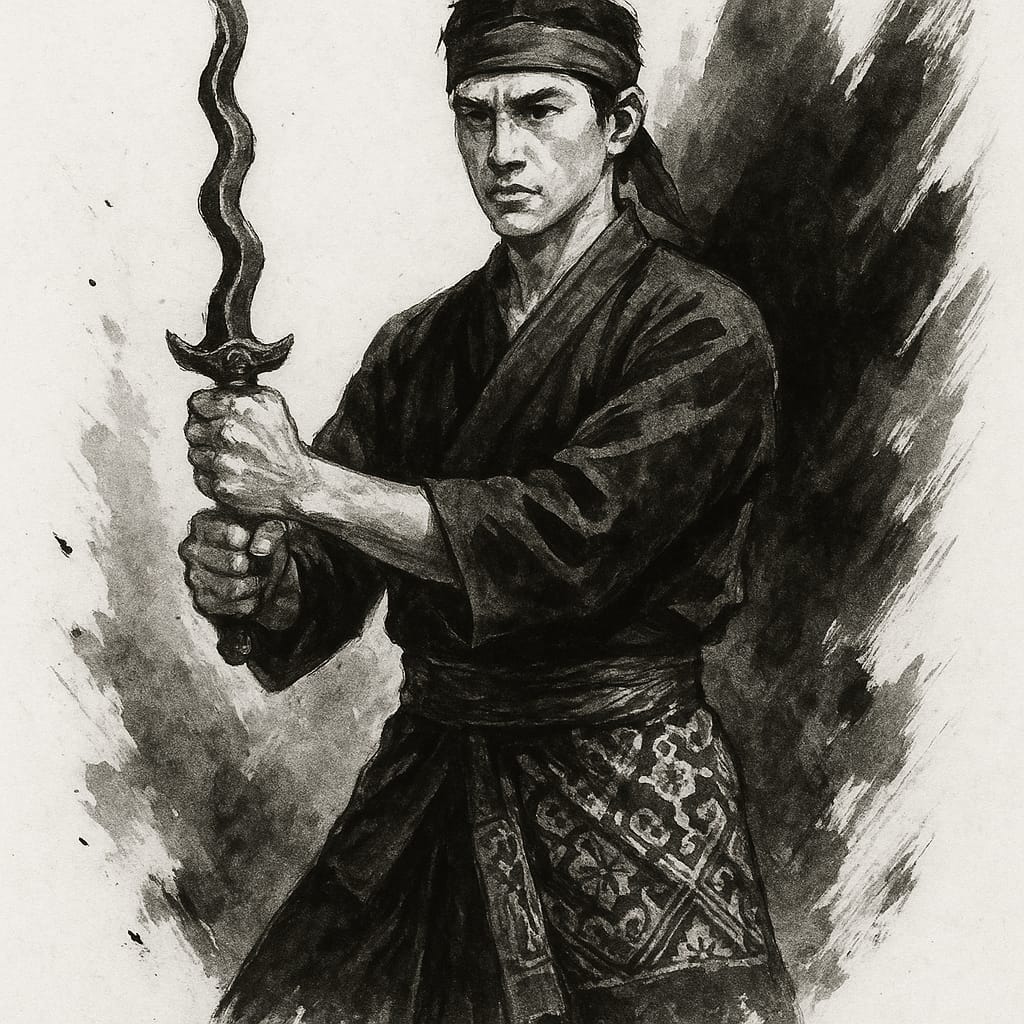
- Weapon integration: common traditional weapons include the kris (dagger), stick, and machete — training often starts empty-handed and moves to weapons later.
Essential Techniques (Beginner-Friendly)
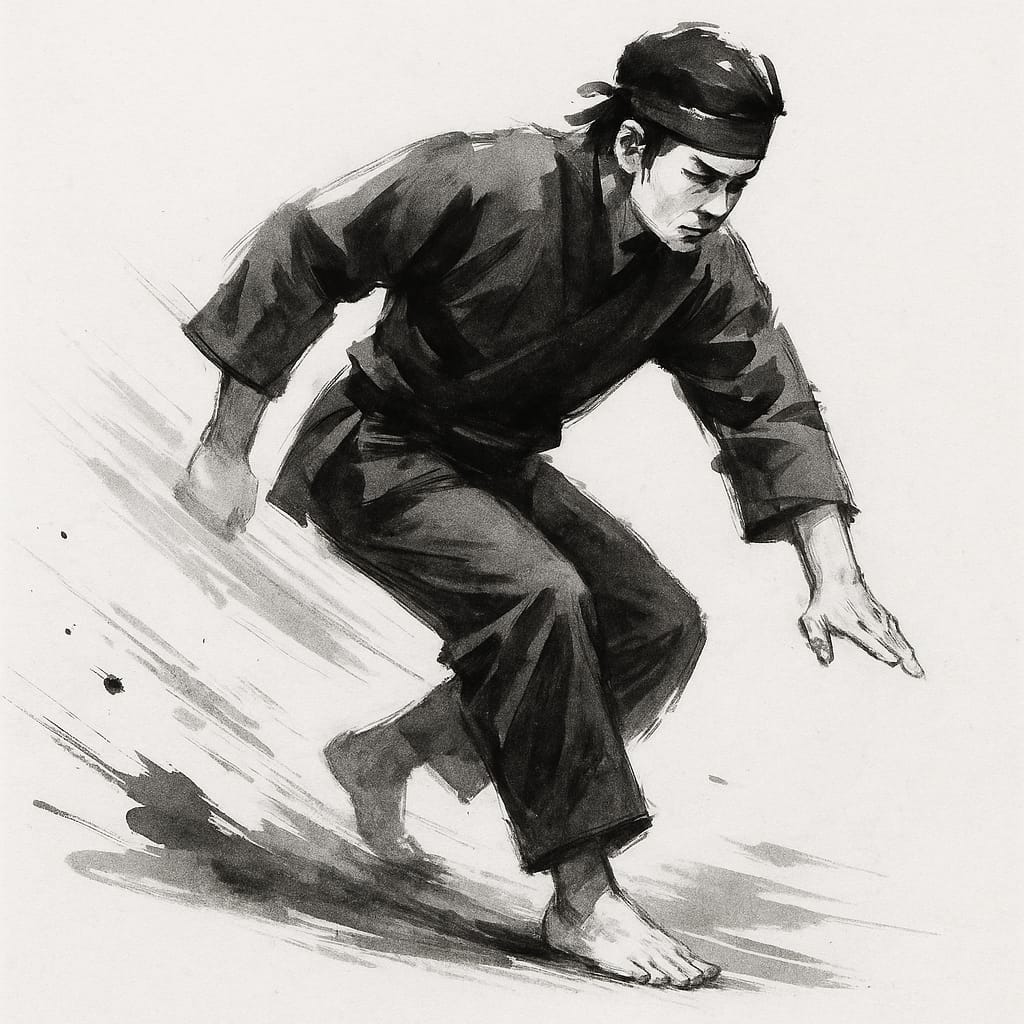
Langkah (footwork): short powerful steps and pivots to create angles.
Silatan (sliding/evading steps): sidesteps and low slips to avoid attacks.
Pukul (punching) & Tendang (kicking): direct strikes aimed to disrupt balance.
Kuncian (locks) & Bantingan (throws): joint manipulations and hip/leg throws for close range.
Sparring drills: controlled partner drills focusing on flow and timing rather than brute force.
Training Tips: How to Start Practicing Silat
- Find a qualified instructor who emphasizes control, safety, and traditional fundamentals.
- Focus on footwork first — movement beats raw power in Silat.
- Drill slowly with a partner to build timing and sensitivity.
- Practice groundwork & clinch transitions — many Silat styles end fights at grappling distance.
- Cross-train with striking and grappling arts to round out your skills if you don’t have full Silat exposure locally.
Modern Applications & Why Renegade Loves It
Silat’s emphasis on close-range control, unpredictable angles, and weapon familiarity makes it highly adaptable to modern self-defense and combatives. For fighters, it offers unique movement patterns that complement boxing, muay thai, and jiu-jitsu. For historians and culture fans, Silat is a living archive of Southeast Asian tradition and rhythm.
Conclusion & Call to Action
Pencak Silat is a versatile, elegant, and effective martial art. Start by learning the footwork, drilling slowly, and finding a respectful instructor. In a short time you will also begin to learn weaponry. It is a true fighting art that has a lot to offer. There are many styles of Pencak Silat, so take your time and you will find the one that suits you.