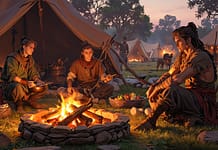
Discover how Rogers’ Rangers revolutionized warfare by blending Native American tactics, survival skills, and guerrilla fighting into a doctrine that shaped modern U.S. Army Rangers and special operations forces.
War Before America
Long before the United States existed, warfare in North America demanded a brutal evolution. European armies arrived with rigid formations, bright uniforms, and battlefield rules designed for open fields and civilized war. What they found instead were endless forests, unforgiving winters, and enemies who refused to fight by European standards.
Out of this chaos emerged Rogers’ Rangers, a revolutionary fighting force that changed warfare forever.
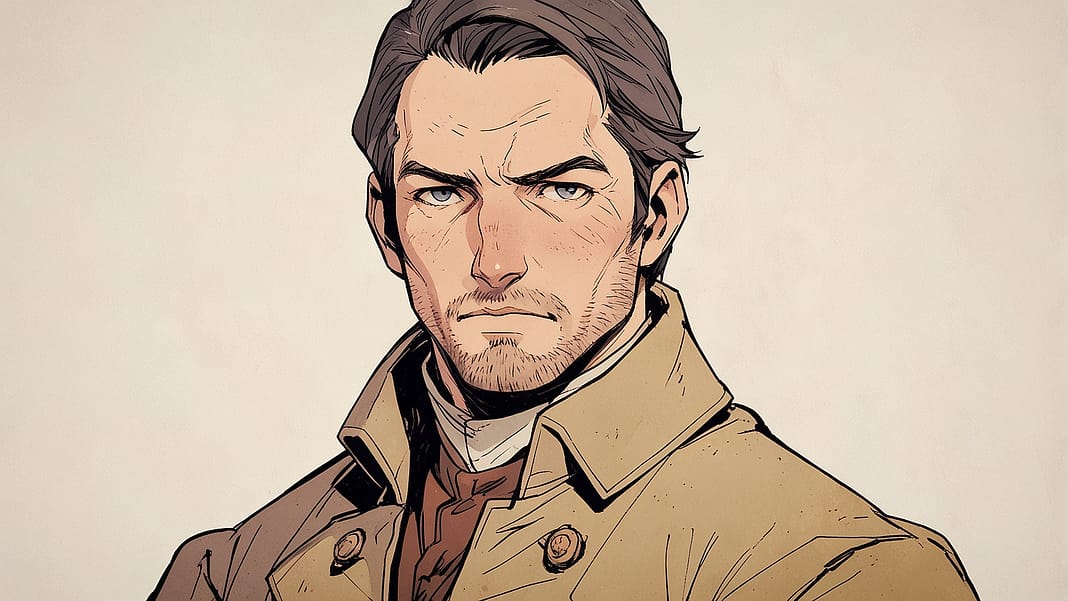
The Man Behind the Rangers: Robert Rogers
Rogers Rangers was born on the New England frontier, where survival mattered more than tradition. Raised in a harsh wilderness environment, Rogers understood terrain, tracking, and endurance in ways European officers did not.
When the French and Indian War erupted, Rogers recognized a hard truth: conventional armies were dying in forests they could not control.
His solution was radical — create soldiers who could live like the land itself.
Why European Warfare Failed in North America
European doctrine emphasized:
- Tight formations
- Loud musket volleys
- Fixed supply lines
- Predictable movement
North America punished these weaknesses relentlessly. Ambushes, raids, and surprise attacks were constant. Soldiers unfamiliar with the wilderness froze, starved, or were hunted.
Rogers understood that survival was a weapon.
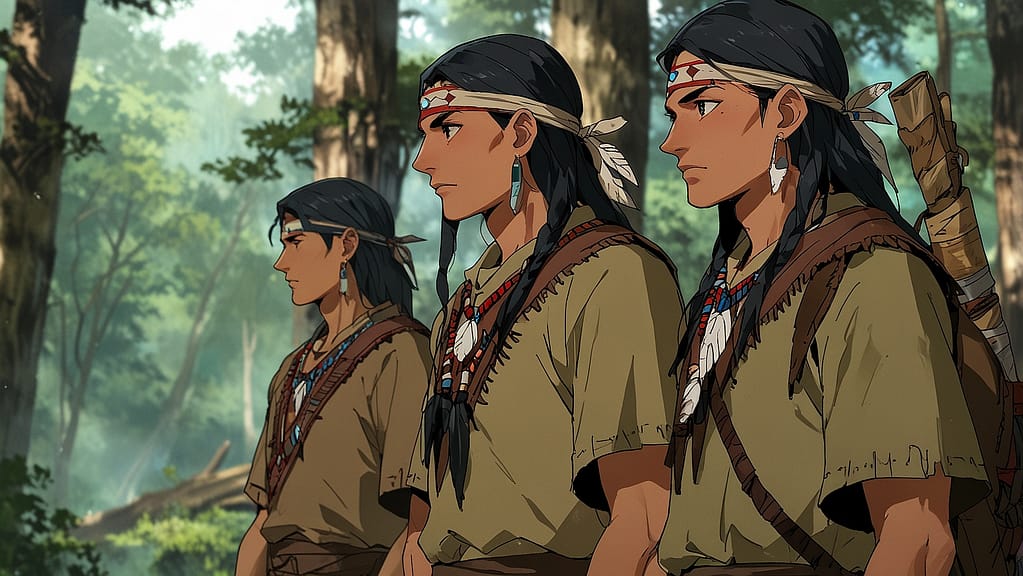
Learning from Native American Warfare
Rogers studied Native American warriors closely. Instead of dismissing them as “irregulars,” he recognized their mastery of:
- Stealth and concealment
- Terrain awareness
- Psychological warfare
- Endurance over speed
- Independent decision-making
Rogers trained his men to move quietly, avoid unnecessary engagements, and strike only when advantage was certain. They learned to hunt, track, navigate by landmarks, and disappear without a trace.
This was not imitation — it was adaptation.
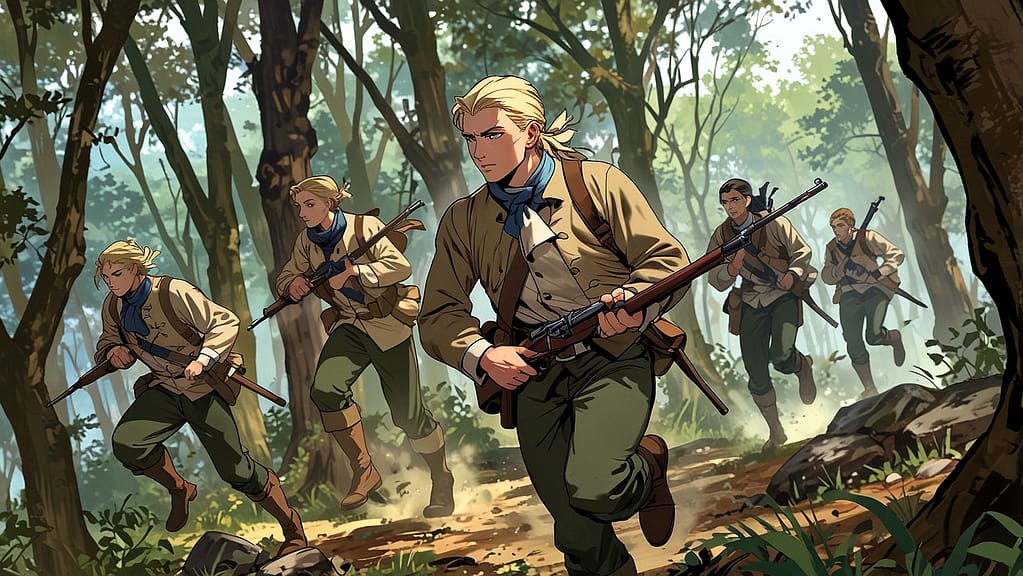
The Creation of a New Warrior Type
Rogers’ Rangers became something entirely new:
- Not line infantry
- Not cavalry
- Not militia
They were scouts, raiders, and survival specialists operating deep behind enemy lines for weeks at a time.
They dressed practically, carried only what they needed, and relied on skill rather than numbers. Each Ranger was expected to think, react, and survive independently.
Rogers’ Rules of Ranging: A Warrior Doctrine
Rogers codified his experience into a set of principles now known as the Rules of Ranging. These were not theories — they were survival laws.
Core principles included:
- Always expect contact
- Never assume safety
- Travel light and move silently
- Never return by the same route
- Think like the enemy
- Control fear through preparation
These rules remain shockingly relevant today.
From Colonial Rangers to Modern Special Forces
Although Rogers’ personal life ended in controversy, his legacy endured. His methods influenced:
- Revolutionary War scouting units
- Frontier fighters
- Early American light infantry
- Modern ranger and special operations doctrine
The United States Army Rangers trace their lineage directly back to Rogers’ Rangers — a rare and powerful historical continuity.
Why Rogers’ Rangers Still Matter Today
Rogers’ Rangers represent more than history. They represent a mindset:
- Adapt or perish
- Learn from your enemy
- Use environment as a weapon
- Independence is strength
In modern warfare — and in life — those lessons remain timeless.
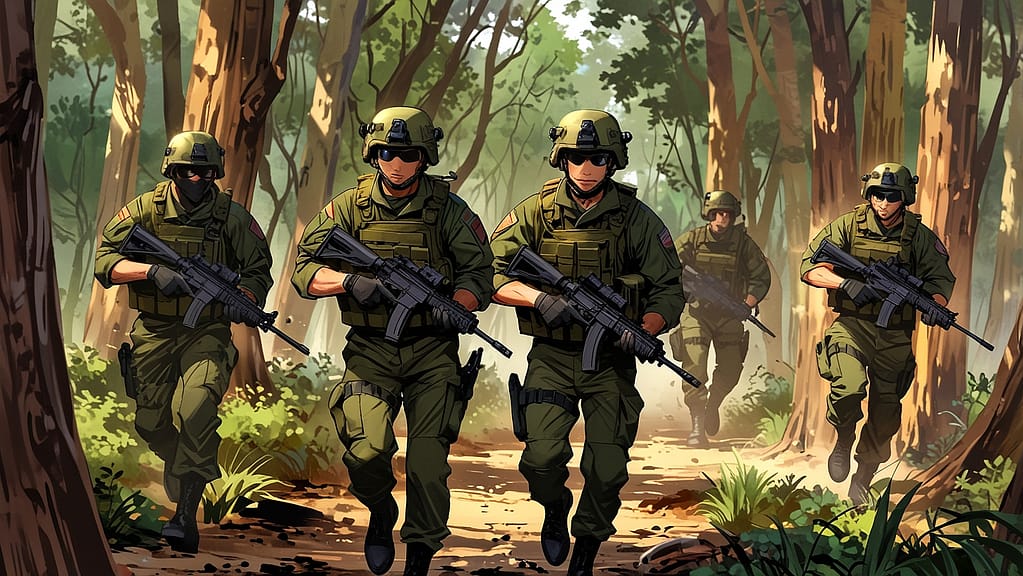
The American Way of War Begins
Rogers’ Rangers were not born from tradition, but from necessity. In the wilderness of North America, a new form of warfare emerged — flexible, ruthless, intelligent, and enduring.
This was the birth of the American Ranger.