The Chinese fighting arts
For thousands of years, China has been famous for its martial arts, with techniques that are both graceful and deadly. Whether you’re a beginner or an experienced martial artist, it’s important to understand the history of Chinese martial arts, how they evolved, and the different styles and techniques used.
Origins and Evolution of Chinese Martial Arts
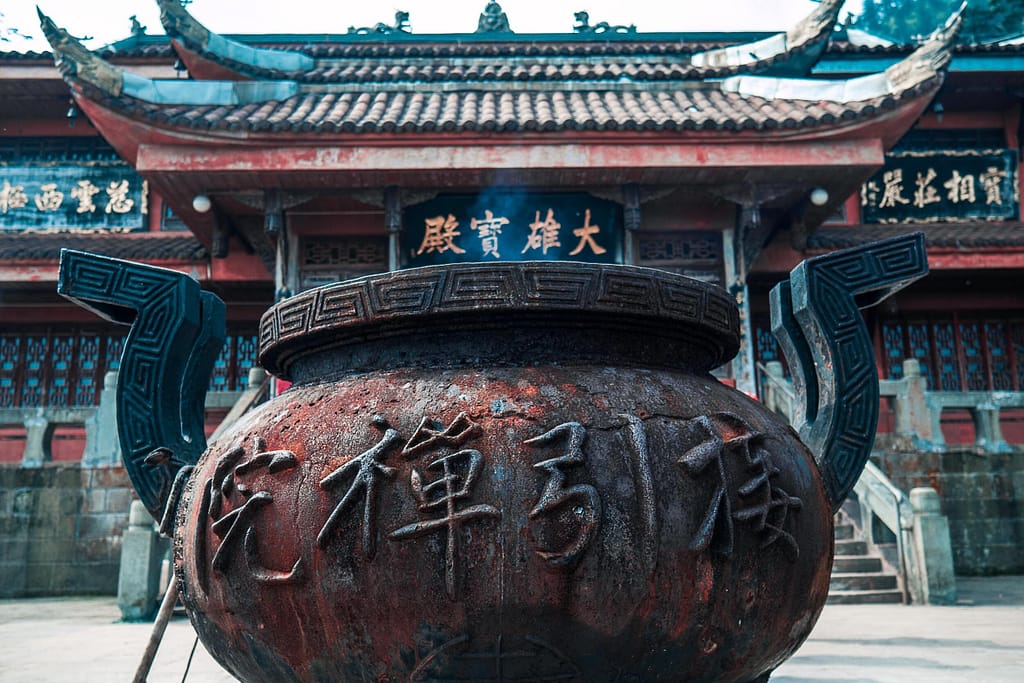
Chinese martial arts are said to have originated in the 3rd century BC during the Zhou Dynasty, but it wasn’t until the Tang Dynasty (618–907 AD) that they began to grow and become popular. Taoist and Buddhist philosophies had a big influence on many early Chinese martial arts, which were all about finding harmony between the mind, body, and spirit.
The first documented Chinese martial art was called “Shuai Jiao,” which translates to “throwing and wrestling.” It was a style that focused on grappling and takedowns, and it eventually evolved into other forms of wrestling and martial arts such as Judo, Sambo, and Brazilian Jiu-Jitsu. Shuai Jiao is over 4,000 years old. According to the early records, the first time Shuai Jiao was ever used was in a military situation when the Yellow Emperor of China had a battle with the rebel Chih Yiu and his army in 2,697 BC.
Over time, various Chinese martial arts styles were developed, each with its own unique techniques and philosophies. Some of the most popular styles include Tai Chi, Praying Mantis Kung Fu, Wing Chun, Shaolin, and Wushu.
The First Teachers and Influential Figures
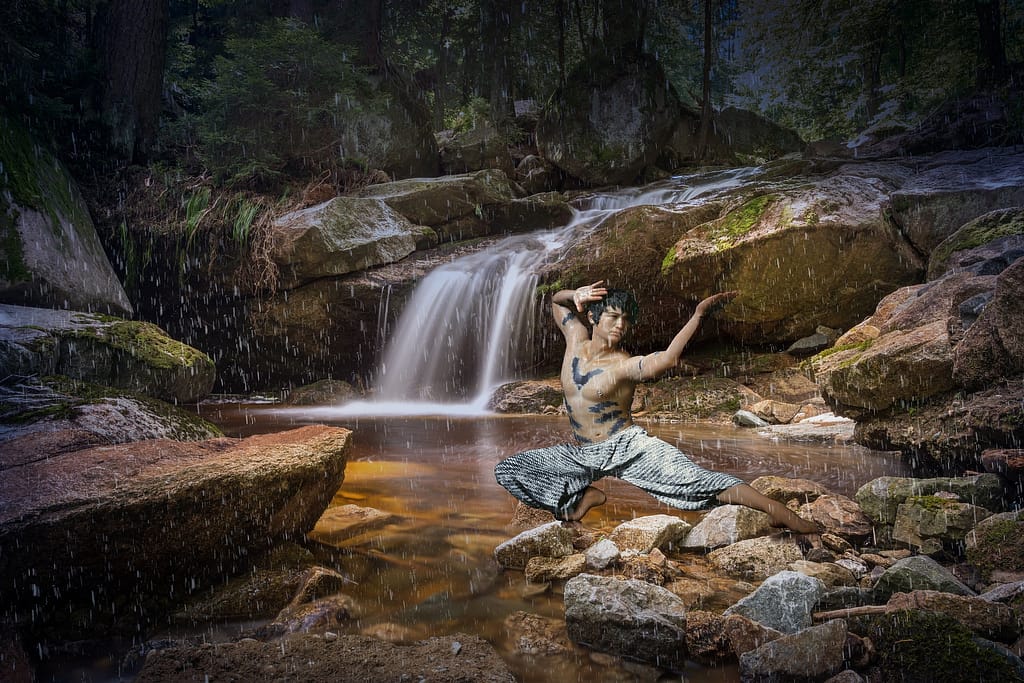
The first teachers of Chinese martial arts were often military leaders, monks, and philosophers who were highly skilled in combat. One of the most influential figures in Chinese martial arts history is Bodhidharma, a Buddhist monk who is said to have brought a form of Shaolin Kung Fu to China in the 6th century AD.
Another important figure is Zhang Sanfeng, a Taoist monk who is credited with developing Tai Chi in the 12th century. Tai chi is known for its slow, fluid movements that are believed to promote health, balance, and energy flow.
Differences Between Northern and Southern Styles
Chinese martial arts can be divided into two main categories: northern and southern styles. Northern styles are characterized by high kicks, acrobatic movements, and long-range techniques. Some examples of northern styles include Changquan, Eagle Claw, Northern Praying Mantis, Northern Shaolin, and Chaquan.
On the other hand, southern styles focus on close-range combat, with low stances and short, fast movements. Wing Chun, Southern Praying Mantis, Choy Lay Fut, and Hung Gar are a few popular Southern styles.
Hard vs. Soft Styles
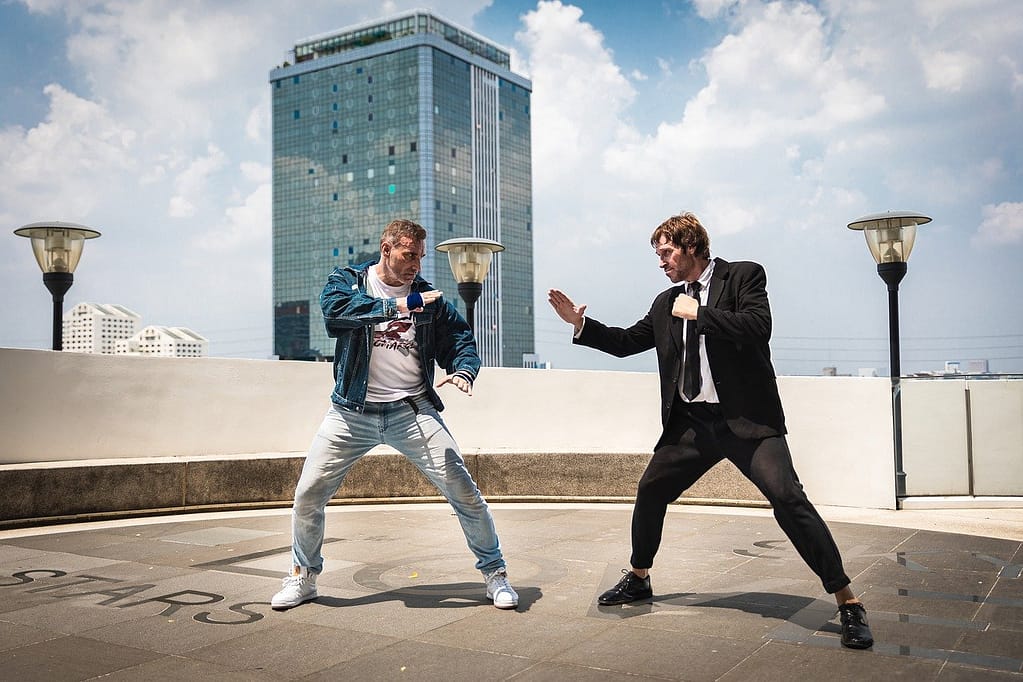
Chinese martial arts can also be classified as either hard or soft styles. Hard styles focus on force and power, with aggressive techniques and strong strikes. Shaolin Kung Fu is a good example of a hard style.
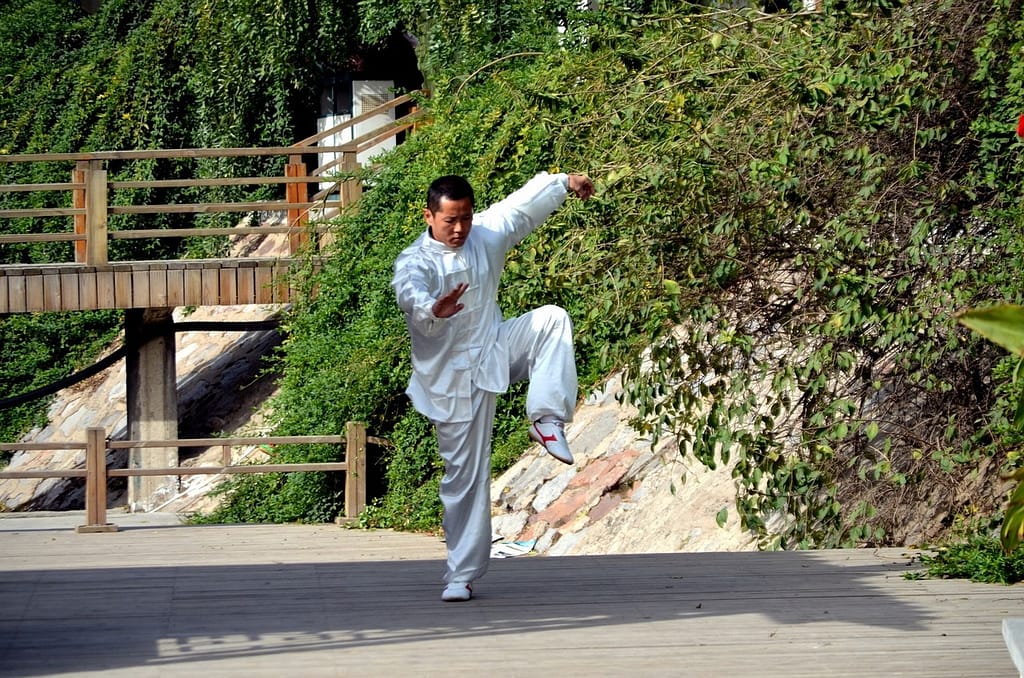
Soft styles, on the other hand, emphasize relaxation and fluidity with circular movements and the redirection of force. Tai Chi and Baguazhang are two examples of soft styles.
Internal Martial Arts
Internal martial arts are a category of Chinese martial arts that focuses on developing the internal aspects of the body, such as the breath, energy flow, and mental focus. These styles include Tai Chi, Baguazhang, and Xingyiquan.
Internal martial arts are called “internal” because they focus on inner cultivation rather than external force. They emphasize using the opponent’s force against them rather than relying solely on physical strength.

Sports Chinese Martial Arts
Sport Chinese martial arts, also known as Wushu, are a modern form of martial arts that are practiced for sport and competition. Wushu is an official event at the Asian Games and is recognized by the International Olympic Committee.
Wushu includes a wide range of techniques, from traditional martial arts movements to acrobatic tricks and aerial stunts. It’s a highly athletic and visually impressive sport, but it’s important to note that it’s not very practical for self-defense or combat.
Is Chinese Martial Arts Good for Self-Defense?
Chinese martial arts can be highly effective for self-defense, but it depends on the style and the practitioner’s level of skill. Some styles, such as Wing Chun, were specifically developed for self-defense and close-range combat.
However, it’s important to remember that martial arts training is not a guarantee of success in a real-world self-defense situation. A martial artist must also have the awareness, judgment, and decision-making skills to use their training effectively in a high-stress situation. Always be aware of your surroundings. And most importantly, learn to fight dirty. There are many dirty fighting techniques in Chinese martial arts, including eye gauges, groin attacks, throat strikes, and hair pulling. There is no such thing as a fair street fight.
Suitability for Men, Women, Children, and Seniors
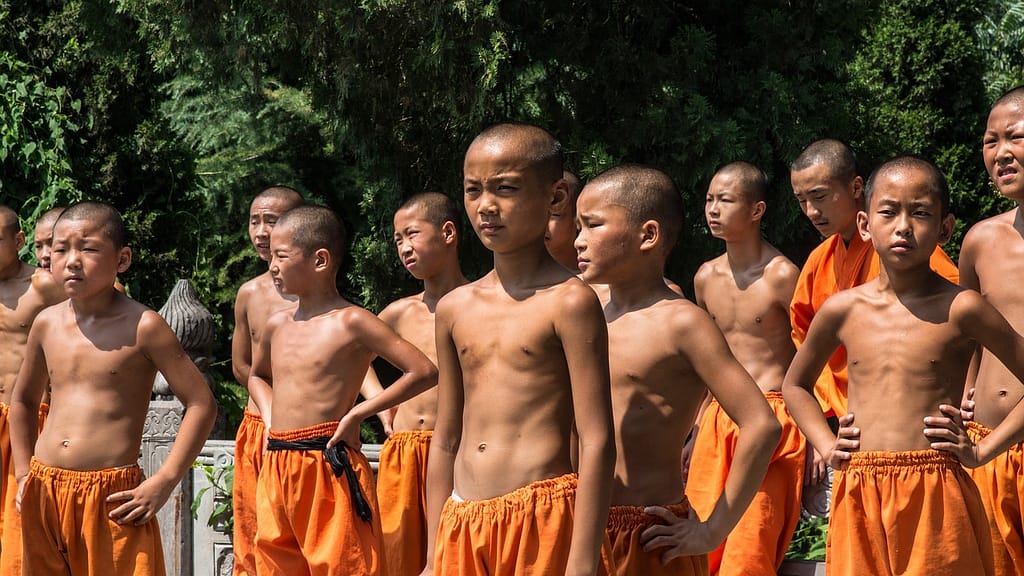
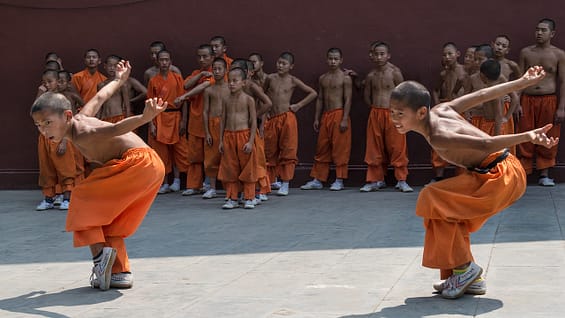
Chinese martial arts are suitable for people of all ages and genders. Many schools offer classes for children as young as three years old, and seniors can benefit from the low-impact, health-promoting aspects of Tai Chi and other soft styles. The five main styles of tai chi are Yang, Wu, Chen, Sun, and Hao. The three most popular styles would be Yang, Chen, and Sun. Yang is said to be the most popular style of tai chi worldwide. Midway through the 1800s, Yang Lu-chan founded Yang-style tai chi. The very first style of tai chi was Chen tai chi, which was founded in the 1600s. Yang-style tai chi is said to be the easiest style for beginners to learn.
Women can also benefit from martial arts training, as it can help them develop strength, confidence, and self-defense skills. Many styles, such as Wing Chun, were developed specifically for women. Wing Chun is a very close-range combat system. The techniques are very fast and aggressive, and they are easy to learn. The strikes and attacks consist of punching, strikes with the open hand, knees, elbows, low-line kicks, and even headbutts.
Ease of Learning
The ease of learning Chinese martial arts depends on the style and the individual’s aptitude and dedication. People of all ages and fitness levels can practice some styles, such as Tai Chi, because they are relatively simple to learn.
Other styles, such as Shaolin Kung Fu, require a higher level of physical fitness and athleticism. However, with dedication and consistent practice, anyone can learn Chinese martial arts.
So in conclusion
Chinese martial arts have been around for a long time and have a lot of different styles and techniques. Tai Chi is good for your health, and Shaolin Kung Fu is very powerful. Chinese martial arts give you a lot of ways to improve your health, learn how to protect yourself, or compete in a sport. Anyone can learn and benefit from these ancient and time-tested arts with hard work and the help of skilled teachers.