Turmeric: The Golden Spice with Health Benefits
Turmeric is the golden spice that adds flavor to Indian and Middle Eastern food. Its active ingredient, curcumin, has been shown to have powerful anti-inflammatory and antioxidant properties. This makes turmeric a popular natural remedy for a wide range of health problems. But why should people be using turmeric in their food, and what exactly is it good for? Let’s take a closer look.
Benefits of Turmeric Powder
- Anti-inflammatory effects: Chronic inflammation is linked to a wide range of diseases, including cancer, heart disease, and Alzheimer’s. Curcumin in turmeric powder has been shown to reduce inflammation by blocking the activity of inflammatory enzymes in the body.
- Antioxidant properties: Free radicals are unstable molecules that can damage cells and contribute to aging and disease. Turmeric contains antioxidants that neutralize these free radicals and protect against oxidative damage.
- Brain health: Curcumin has been shown to increase levels of brain-derived neurotrophic factor (BDNF), a protein that supports the growth of new brain cells and may help delay age-related brain function decline.
- Improved digestion: Turmeric stimulates the production of bile, which aids in the digestion of fats. It may also help reduce symptoms of digestive disorders like irritable bowel syndrome (IBS) and ulcerative colitis.
- Reduced risk of heart disease: Curcumin may help improve several factors that contribute to heart disease, including reducing inflammation, improving cholesterol levels, and lowering blood pressure.
Turmeric for Martial Artists, Fighters, and Bodybuilders
Turmeric could help athletes improve their performance and recovery if they add it to their diets. And because it has anti-inflammatory and antioxidant properties, it may also help ease muscle pain and improve joint health. Due to its anti-inflammatory and antioxidant properties, it may also help protect against the damage that comes from intense exercise. Turmeric may help the immune system work well, which is important for athletes who are more likely to get sick.
Types of Food to Put Turmeric In
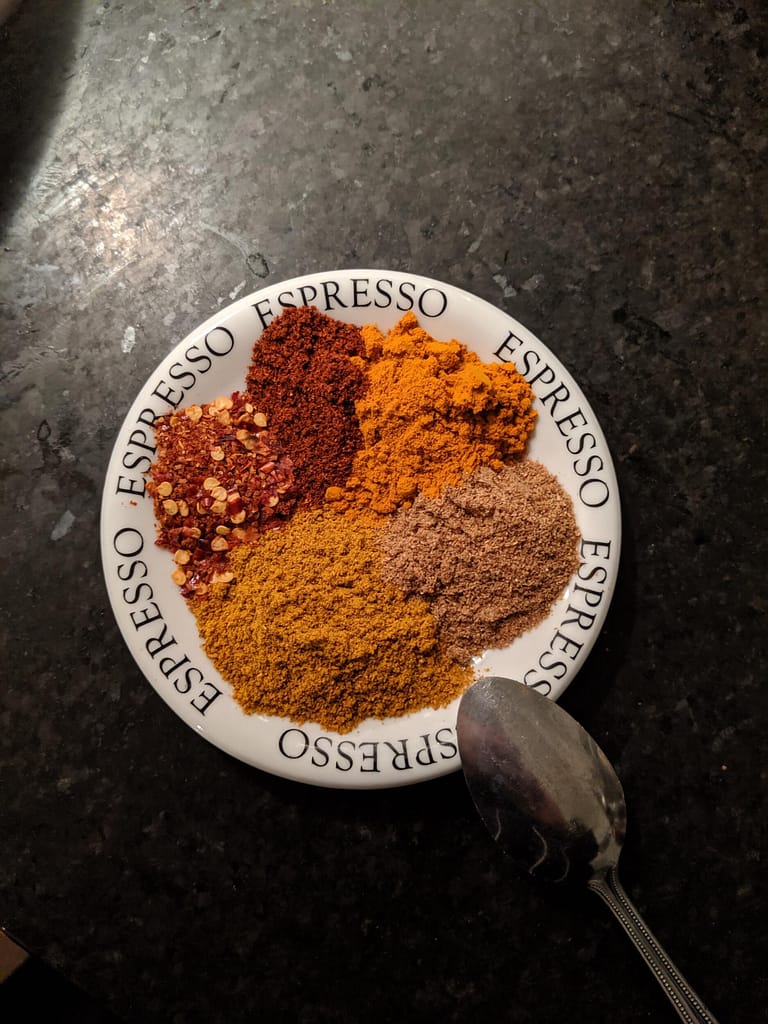
Turmeric powder can be added to a variety of foods to add flavor and health benefits. It’s commonly used in curries, stews, and rice dishes, but can also be added to smoothies, scrambled eggs, and roasted vegetables. Additionally, it can be used to make soothing turmeric tea.
Turmeric for Kids and Seniors
While turmeric is generally safe for most people, it’s important to talk to your doctor before using it as a supplement, especially if you are taking medications or have a medical condition. Children and seniors may benefit from the anti-inflammatory and antioxidant effects of turmeric, but it’s important to start with small amounts and monitor for any adverse reactions.
How Often to Eat Turmeric
There is no set amount of turmeric that people should eat each day, but incorporating it into your diet regularly may provide health benefits. Try to eat at least one teaspoon of turmeric powder per day, or consider taking a curcumin supplement.
Recipes That Use Turmeric
Turmeric can be used in a variety of recipes, from savory to sweet. Here are a few ideas:
- Turmeric scrambled eggs: Whisk turmeric powder into beaten eggs before scrambling for a colorful and flavorful breakfast.
- Turmeric roasted vegetables: Toss chopped vegetables with turmeric, olive oil, and salt before roasting for a healthy and delicious side dish.
- Turmeric smoothie: Blend turmeric powder, frozen mango, almond milk, and honey for a refreshing and healthy smoothie.
- Turmeric chicken curry: Cook chicken with onions, garlic, ginger, and turmeric powder in a tomato-based sauce for a comforting and flavorful meal.
Turmeric Pill, Capsule, or Powder?
When it comes to eating turmeric, there are various forms to choose from, including powder, capsules, and fresh root. Even though all forms contain the active ingredient curcumin, they are different in their concentration and bioavailability.
Turmeric powder is the most common form used in cooking and has a vibrant yellow color and a warm, earthy flavor. It is always readily available and affordable. Still, turmeric powder is not as bioavailable as other forms, which means that the body may not absorb it as effectively.
Turmeric capsules, on the other hand, are a convenient way to consume turmeric without having to worry about measuring out the right amount. Capsules are also more concentrated and contain higher amounts of curcumin than powder, making them a better choice for those looking for a more potent dose. However, capsules may be more expensive than powder and may contain additives or fillers.
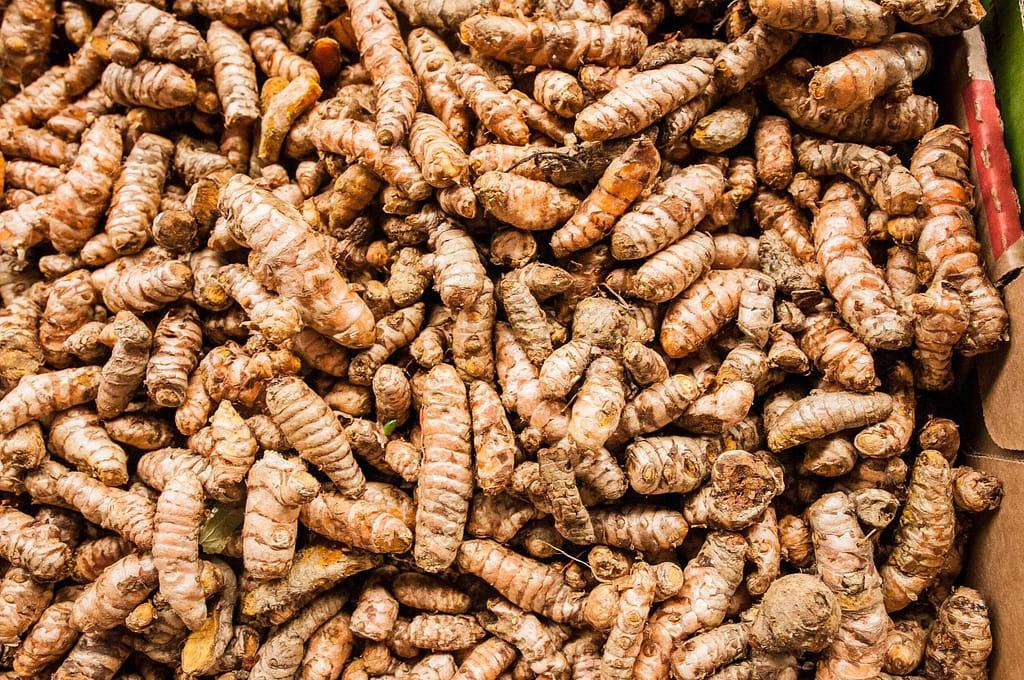
Fresh turmeric root is another option, and some people prefer it for its fresher taste and higher concentration of curcumin. No matter the form you choose, incorporating turmeric into your diet can provide numerous health benefits.
So in conclusion, each form of turmeric has its benefits and drawbacks, and the best choice depends on personal preference and health needs. Turmeric powder is an excellent choice for cooking and adding flavor to food, while capsules are a convenient way to take turmeric as a supplement. Fresh turmeric root may be preferred for those who want a more natural form of it. All forms are good.