Who were the Samurai? Learn the simple truth about Samurai warriors in Japan—when they started, how they trained, what their job was, and if female Samurai really existed. A complete beginner-friendly guide to Samurai history.
What Is a Samurai?
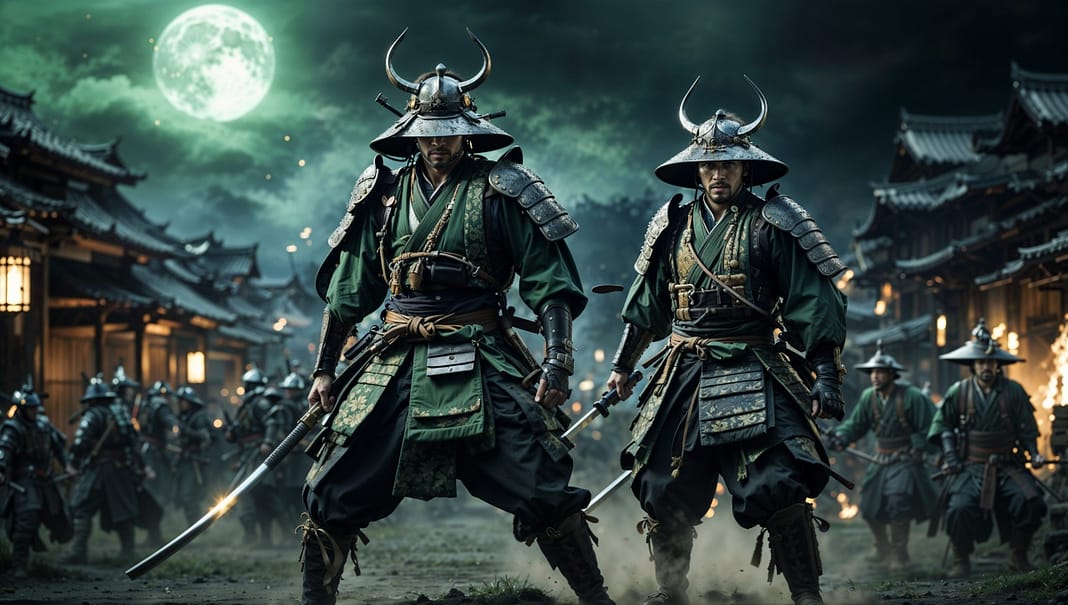
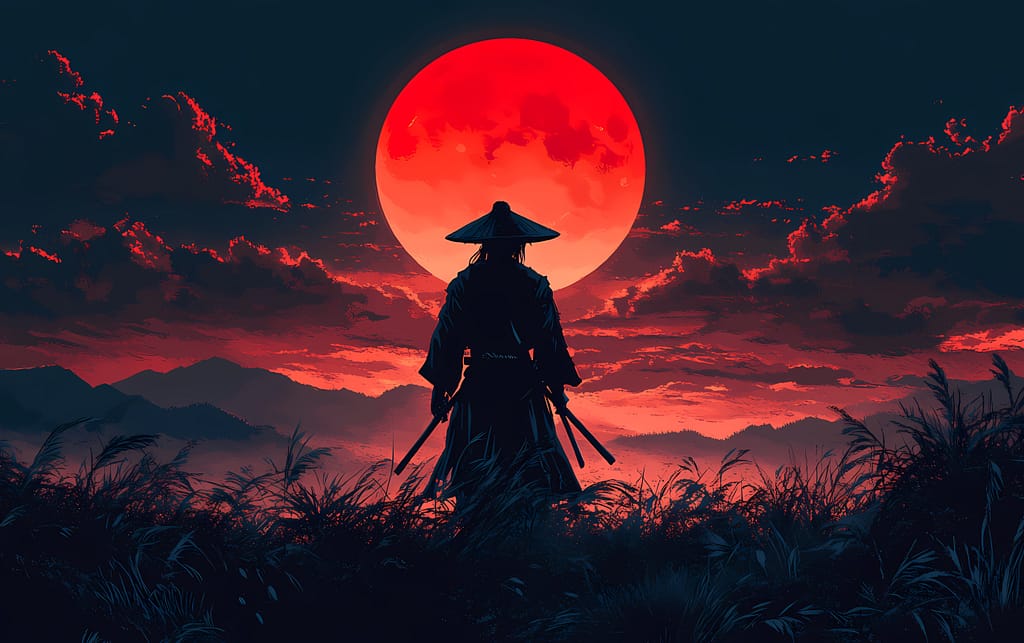
The Samurai were the warrior class of Japan. They were not just fighters—they were protectors, soldiers, and servants to powerful lords.
The word “Samurai” means “one who serves.” That tells you everything about them. Their whole life was about loyalty, honor, and duty.
When Did the First Samurai Begin?
The first Samurai started to appear around the 8th to 9th century in Japan.
Back then, Japan was changing. The emperor could not control all parts of the country. So powerful landowners needed strong warriors to protect their land.
These warriors slowly became known as Samurai.
By the time of the 12th century, Samurai had become the most powerful class in Japan. They even controlled the government for hundreds of years.
Why Did the Samurai Exist?
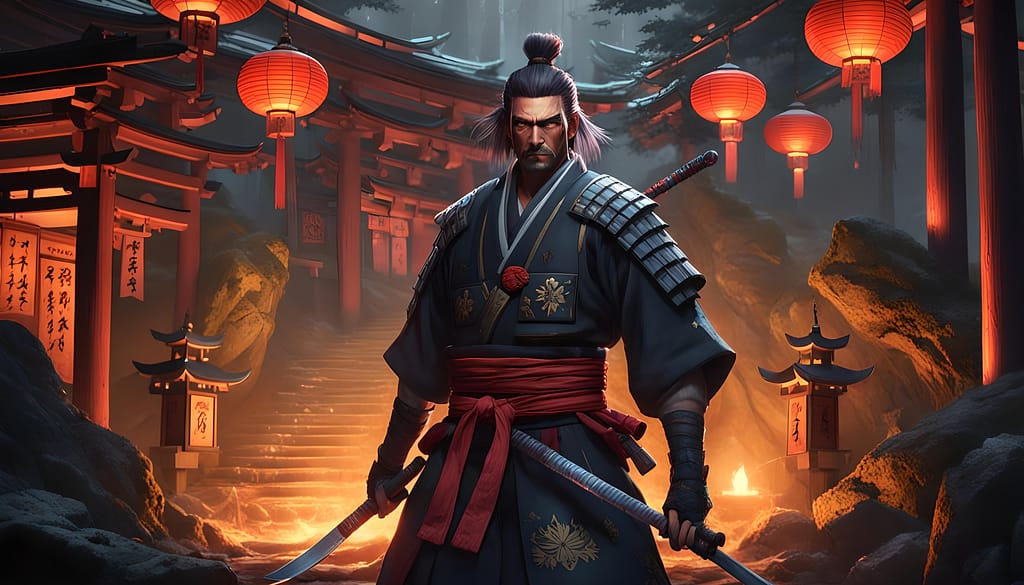
Samurai existed for one main reason:
Protection and control
Japan was full of conflict between clans and regions. There were fights over land, power, and honor.
Samurai were needed to:
- Protect land and villages
- Serve powerful lords called daimyo
- Fight in wars
- Keep order and peace
Without Samurai, many areas would have been lawless.
What Was a Samurai’s Job?
A Samurai had many jobs, not just fighting.
Their duties included:
- Fighting in battles
- Guarding castles and leaders
- Enforcing laws
- Collecting taxes
- Training every day
During peaceful times, many Samurai became:
- Teachers
- Writers
- Government officials
They were expected to be both warriors and thinkers.
How Were Samurai Chosen?
Samurai were usually born into Samurai families.
If your father was a Samurai, you would likely become one too.
It was very rare for a normal person to become a Samurai, especially later in history.
So being a Samurai was not just a job—it was a social class.
At What Age Did Samurai Begin Training?
Samurai training started very early.
Boys began training around age 5 to 7
They were raised to become warriors from childhood.
By their teenage years, they were already skilled fighters.
Around age 15–16, many young Samurai became full warriors.
What Were Samurai Trained In?
Samurai training was tough and serious.
They trained in:
- Sword fighting (katana)
- Archery
- Horse riding
- Hand-to-hand combat
- Strategy and tactics
But that’s not all.
They also learned:
- Writing and reading
- Poetry
- Philosophy
- Discipline and self-control
A true Samurai had both strength and wisdom.
Did Samurai Follow a Code?
Yes. Samurai lived by a strict code called Bushido, which means:
“The Way of the Warrior”
Bushido taught:
- Honor
- Loyalty
- Courage
- Respect
- Self-discipline
If a Samurai lost honor, it was considered worse than death.
When Did Samurai Retire?
There was no fixed retirement age.
A Samurai usually served:
- Until they were too old to fight
- Or until their lord died or lost power
Some became teachers or advisors later in life.
Others served their entire life.
Were There Female Samurai?
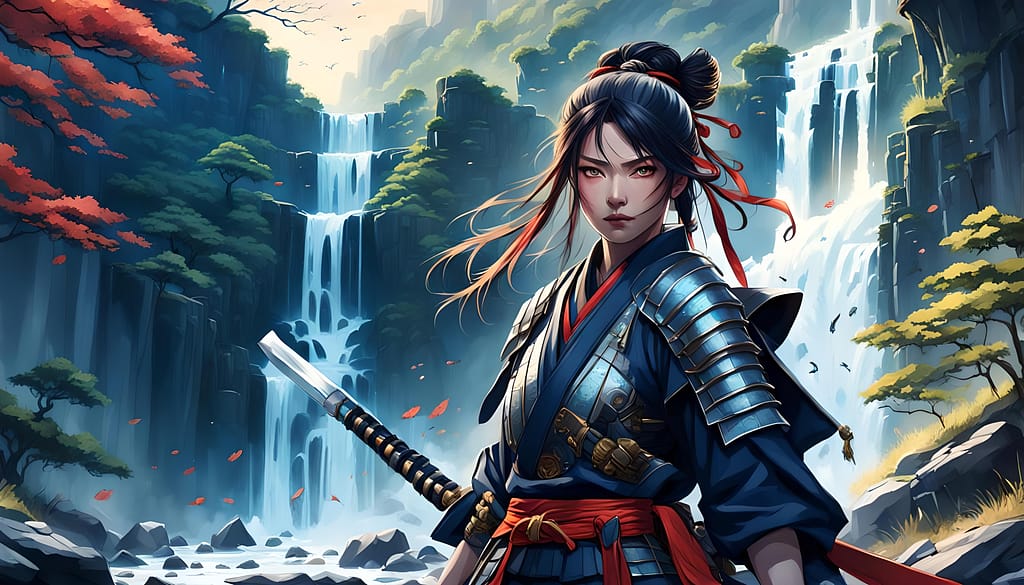
Yes—there were female Samurai.
They were called Onna-bugeisha.
These women were trained to:
- Defend their homes
- Fight in battle if needed
One famous example is Tomoe Gozen.
Female Samurai often used a weapon called the naginata, a long blade on a pole.
They were strong, skilled, and respected.
The End of the Samurai Era
The Samurai era ended in the late 1800s during the Meiji Restoration.
Japan began to modernize and build a new army.
Samurai were no longer needed as a warrior class.
But their legacy still lives on today.

Why Samurai Still Matter Today
The Samurai were more than just warriors.
They were:
- Loyal servants
- Skilled fighters
- Disciplined thinkers
Their values—honor, loyalty, and discipline—are still respected around the world.
Even today, when people think of a warrior with strong character and purpose, they often think of the Samurai.
The Samurai were not just fighters—they were a way of life.