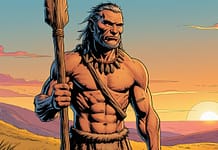
The Comanche were known as the “Lords of the Southern Plains,” famous for their fast horses, fearless warriors, and powerful chiefs like Quanah Parker. In this article, we explore Comanche history, where they lived, how they trained young warriors, what weapons they used, the battles they fought, and how their warrior culture shaped the American West. This guide uses simple language with strong keywords and long-tail phrases to help readers learn all about Comanche warrior life.
The Comanche: Lords of the Southern Plains
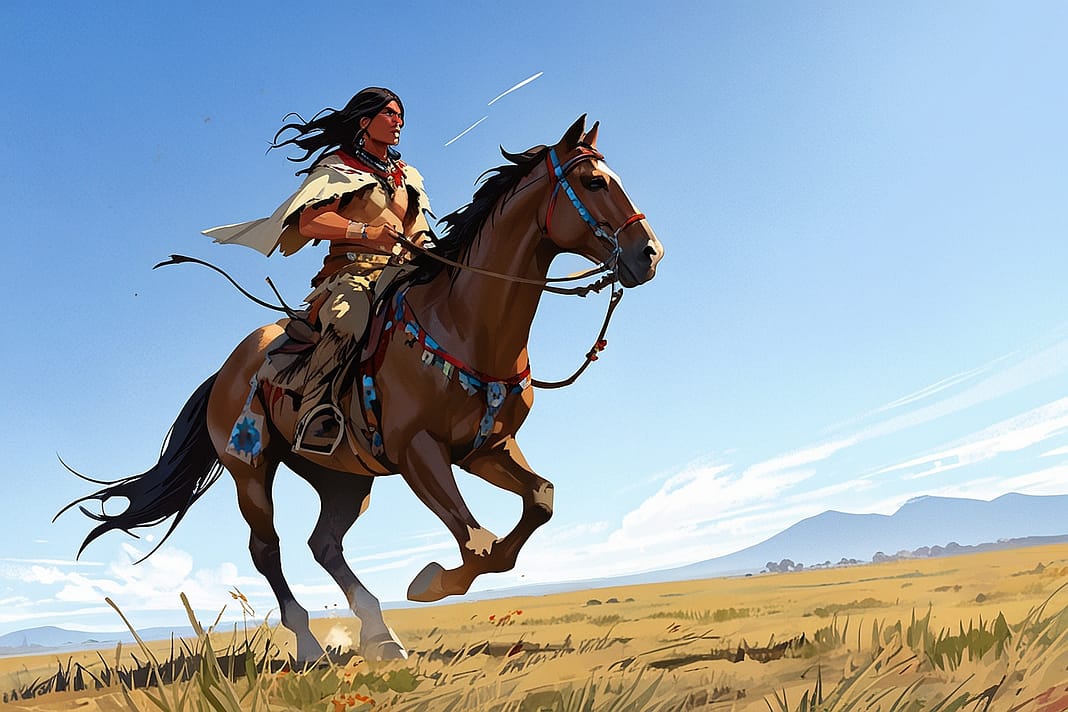
The Comanche people, also called the Numunu, were one of the most powerful Native American warrior nations in North America. They became known as the best horse riders on the Great Plains, feared and respected for their speed, skill, and courage.
Where the Comanche Lived
The Comanche controlled a huge area called Comancheria.
This land covered:
- West Texas
- Eastern New Mexico
- Western Oklahoma
- Southern Colorado
This was a long-tail keyword region often called the Southern Plains homeland of the Comanche warriors.
The land was open grassland, perfect for raising strong horses and hunting buffalo. Their enemies feared entering Comancheria because Comanche warriors could strike fast from anywhere.
How the Comanche Lived
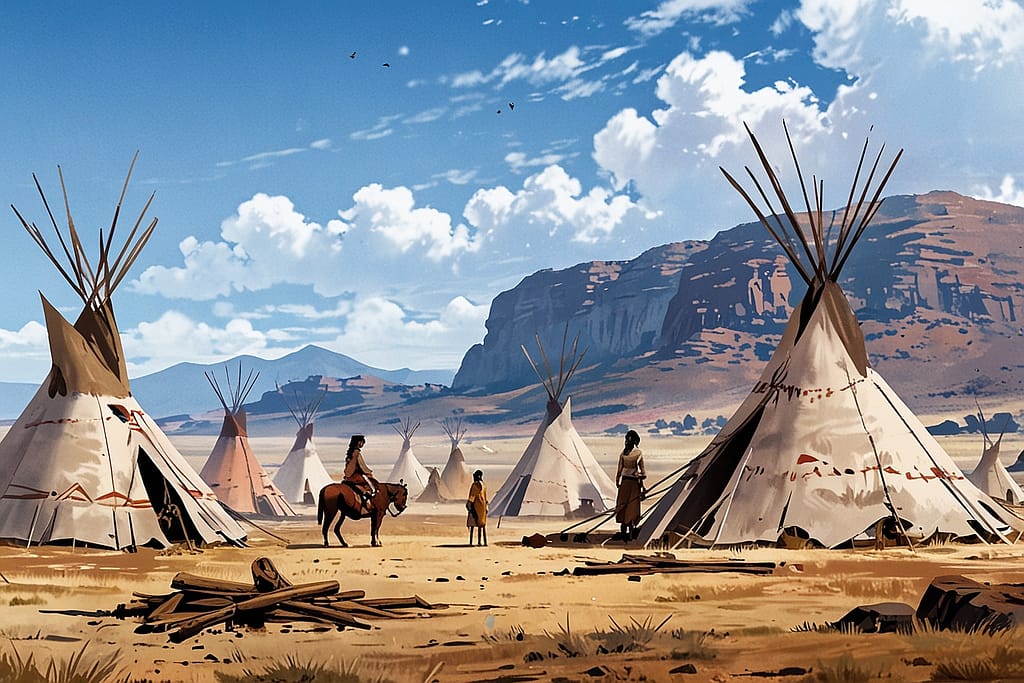
The Comanche lived a nomadic lifestyle. They followed buffalo herds, moving with the seasons. Their homes were tipis made from buffalo hide. Tipis were easy to take down and carry when the tribe moved.
They valued:
- Family
- Courage
- Horses
- Warrior training
- Buffalo hunting
Horses were the center of Comanche life. A man’s wealth was counted by how many horses he owned.
What the Comanche Ate
The main food for Comanche families and Comanche warriors was buffalo meat. They used every part of the animal.
They also ate:
- Deer
- Elk
- Antelope
- Berries
- Roots
- Nuts
Buffalo gave them food, clothing, tools, weapons, and shelter.
Training Young Warriors
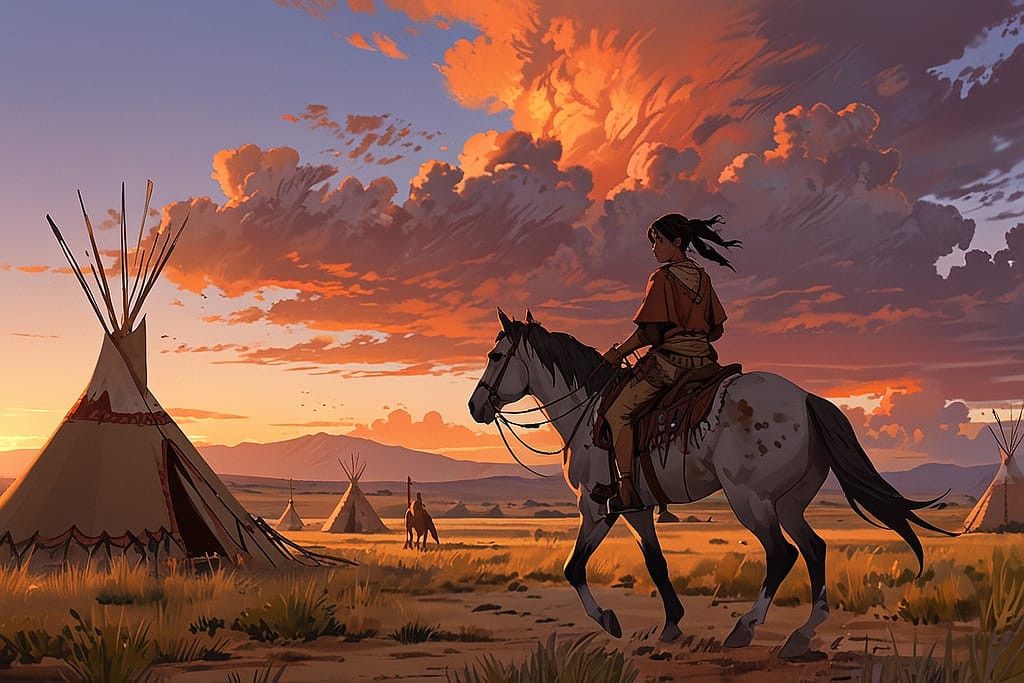
Comanche boys started training when they were very young, sometimes only 4 or 5 years old. This early training helped shape the strongest warrior culture on the Southern Plains.
Young boys learned:
- How to ride bareback
- How to shoot a bow from a running horse
- How to track animals
- How to survive in the wild
- How to protect their families and tribe
- How to wrestle and fight
By the time a Comanche boy was 12 or 13, he was already a skilled rider and hunter, ready for serious warrior training.
Training to Become a Warrior
When a boy was old enough, older warriors taught him how to fight and how to stay calm in dangerous situations.
They practiced:
- Riding at full speed
- Leaning low on the horse to avoid arrows and bullets
- Shooting from under the horse’s neck
- Using a lance or spear at close range
- Quick hit-and-run tactics
- How to take horses from enemies
This training created fearless Comanche warriors, masters of the horse and the bow.
Comanche Weapons
Comanche warriors used simple but deadly weapons:
- Short bows (powerful even from horseback)
- Lances and spears
- Stone clubs
- Knives
- War shields
- Later rifles and pistols (taken from enemies or traded)
Their short bow was one of the most feared weapons on the Plains. A Comanche warrior could fire arrows faster than most soldiers could reload guns.
How the Comanche Fought
The Comanche fought using fast, smart, and aggressive tactics. Their fighting style was a long-tail keyword known as Comanche horseback warfare.
Their style included:
- Riding in fast circles
- Attacking in small, fast groups
- Striking quickly, then vanishing
- Using their horses as shields
- Shooting arrows from impossible angles
They were known as the best light cavalry in North America.
Famous Chiefs and Warriors
Some of the greatest Comanche leaders include:
- Quanah Parker – Last great Comanche war chief, son of Cynthia Ann Parker
- Iron Jacket – Warrior chief known for wearing a coat of iron
- Peta Nocona – Famous warrior and father of Quanah Parker
- Buffalo Hump – Leader of the Great Raid of 1840
- Ten Bears – Respected chief and skilled negotiator
These warriors helped shape Comanche history for generations.
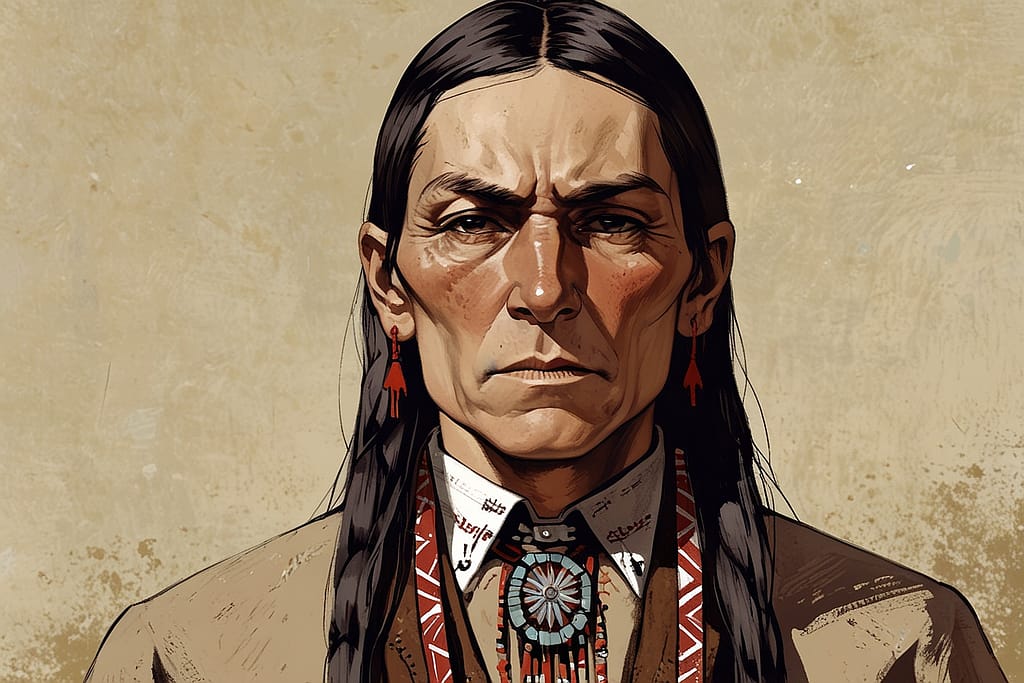
Quanah Parker – The Last Great Comanche Chief
Quanah Parker is one of the most famous Native American leaders in history. He was the son of Peta Nocona and Cynthia Ann Parker, a white woman captured by the Comanche as a child.
Quanah Parker was known for:
- His courage in battle
- His leadership during the final years of Comanche resistance
- His great skill in horse warfare
- Later helping his people adapt to life on reservations
Quanah Parker fought in many battles and was respected even by his enemies.
Comanche Enemies
The Comanche fought many tribes and armies, including:
- Apache tribes
- Kiowa (sometimes allies, sometimes enemies)
- U.S. Army
- Mexican armies
- Tonkawa
- Osage
Their biggest enemies over time were the buffalo hunters and the U.S. Cavalry.
Famous Battles
Some important battles in Comanche history include:
- The Great Raid of 1840 (led by Buffalo Hump)
- Battle of Adobe Walls
- Red River War
- Battle of Palo Duro Canyon
- Attacks along the Texas frontier
- Battles against Texas Rangers
These battles showed the power and skill of the Comanche warriors.
Comanche Enemies and Chiefs Who Fought Against Them
The Comanche were feared across the Southern Plains, and many chiefs from other tribes saw them as dangerous rivals. The Comanche were strong, fast, and violent in battle, so they made many enemies during their rise to power.
Apache Tribes
The Comanche pushed the Apache out of much of the Southern Plains. Famous Apache leaders like Geronimo and Cochise came from tribes that had been enemies of the Comanche for generations. Even though Geronimo lived farther west, the older Apache chiefs hated how the Comanche forced their people south and west.
Osage
The Osage Nation fought long, bloody wars with the Comanche. Osage warriors were big, strong, and very skilled, and they hated how the Comanche tried to take control of hunting grounds in Oklahoma and Kansas. Osage chiefs like Claremore and Black Dog saw the Comanche as direct threats.
Tonkawa
The Tonkawa and the Comanche were enemies for a very long time. The Tonkawa served as scouts for the U.S. Army, and many Tonkawa chiefs openly hated the Comanche because of earlier wars and raids.
Texas Rangers
Although not a tribe, the Texas Rangers became some of the Comanche’s biggest enemies. Leaders like John Coffee Hays and Rip Ford fought the Comanche in battles and skirmishes all across Texas.
U.S. Cavalry
Famous U.S. Army leaders like:
- Ranald Mackenzie
- Kit Carson
- Colonel Ronald McKenzie (Red River War)
…all fought major battles against the Comanche and worked to break Comancheria. Many of these chiefs, officers, and scouts feared and respected Comanche warriors but also saw them as the greatest obstacle to American expansion.
The Comanche were more than warriors — they were a powerful nation built on courage, speed, skill, and survival in a harsh land. Their young warriors trained from childhood to become the fastest riders and hardest fighters on the Southern Plains. Chiefs like Quanah Parker, Iron Jacket, and Buffalo Hump led their people through great victories, terrible losses, and the final days of freedom on horseback.
The Comanche made many enemies because of their strength. Apache warriors, Osage chiefs, Tonkawa scouts, Texas Rangers, and U.S. Army leaders all fought against them. Some hated the Comanche. Some respected them. But none could ignore them.
Even today, the story of the Comanche lives on. Their warrior culture, their skill with horses, their hunting traditions, and the leadership of Quanah Parker still inspire people all over the world. The Comanche will always be remembered as one of the greatest warrior nations in history — fierce, proud, and forever known as the Lords of the Southern Plains.