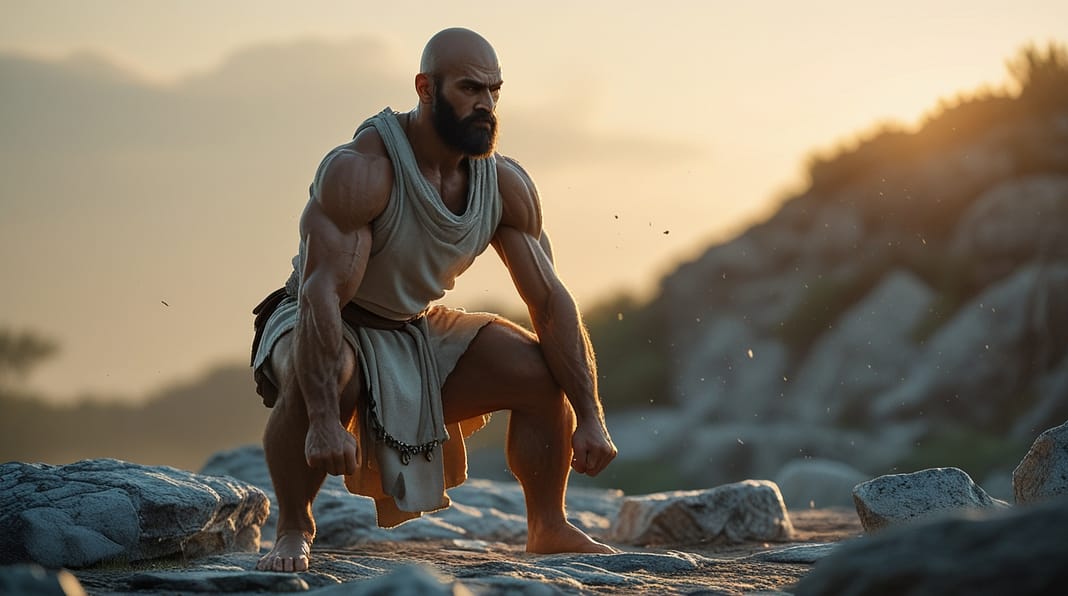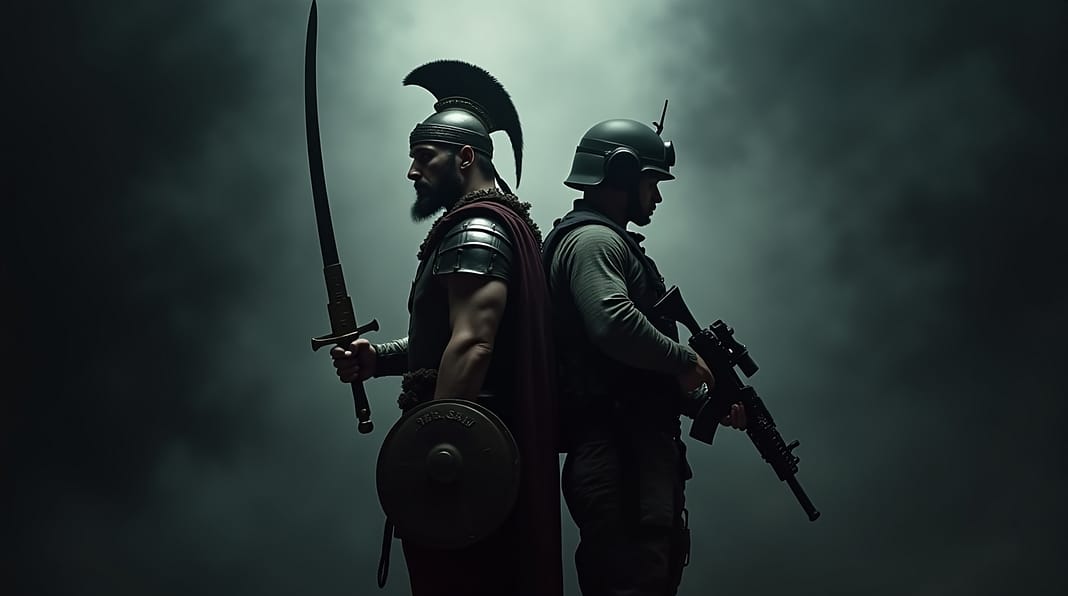
Ancient warrior principles like deception, adaptability, and discipline still shape modern special forces training and combat doctrine today. From Sun Tzu to modern special forces, explore the ancient warrior principles that still decide victory in modern combat.
The Warrior Never Disappeared—He Adapted
Weapons evolve. Technology advances. Battlefields change.
But the warrior principles that win fights have remained largely unchanged for thousands of years.
From ancient battlefields to modern covert operations, elite fighters have always relied on the same core ideas: discipline, deception, adaptability, and mental dominance. Today’s special forces operators—among the most highly trained warriors in human history—still apply principles that were written, tested, and proven long before firearms or drones ever existed.
This is not coincidence. It is continuity.
Deception: Winning Before the Fight Begins
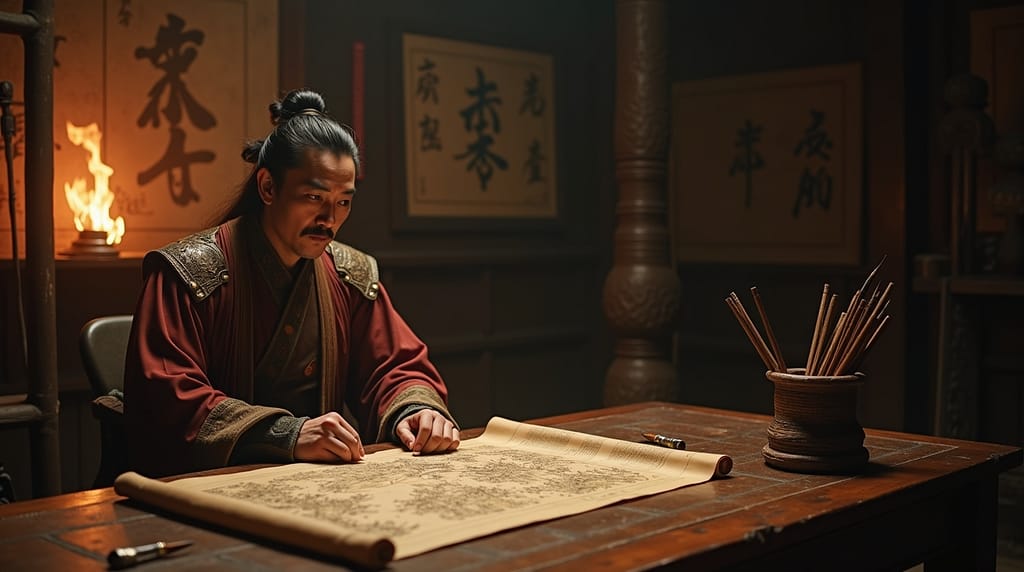
One of the most enduring warrior principles comes from Sun Tzu, author of The Art of War. His message was simple but ruthless:
“All warfare is based on deception.”
Ancient generals understood that confusion, misdirection, and psychological pressure could defeat a stronger enemy without prolonged combat. Modern special forces still operate on this exact principle.
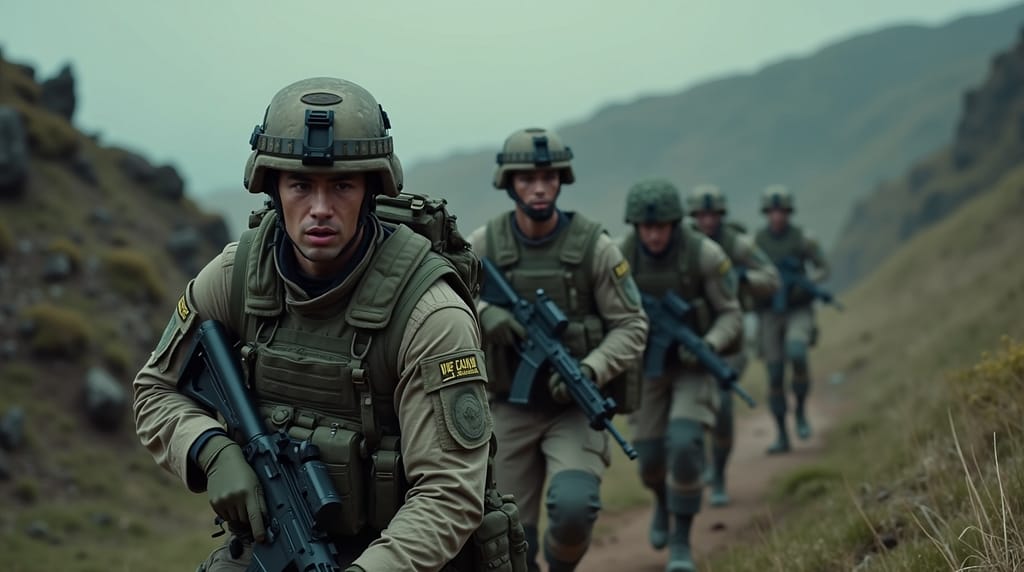
Elite units such as United States Army Special Forces prioritize intelligence gathering, disguise, unconventional movement, and shaping enemy perception. Their objective is rarely direct confrontation—it is control of the situation before the first shot is fired.
The battlefield may be modern, but the strategy is ancient.
Adaptability: The Warrior Who Survives
Rigid fighters die. Adaptive warriors survive.
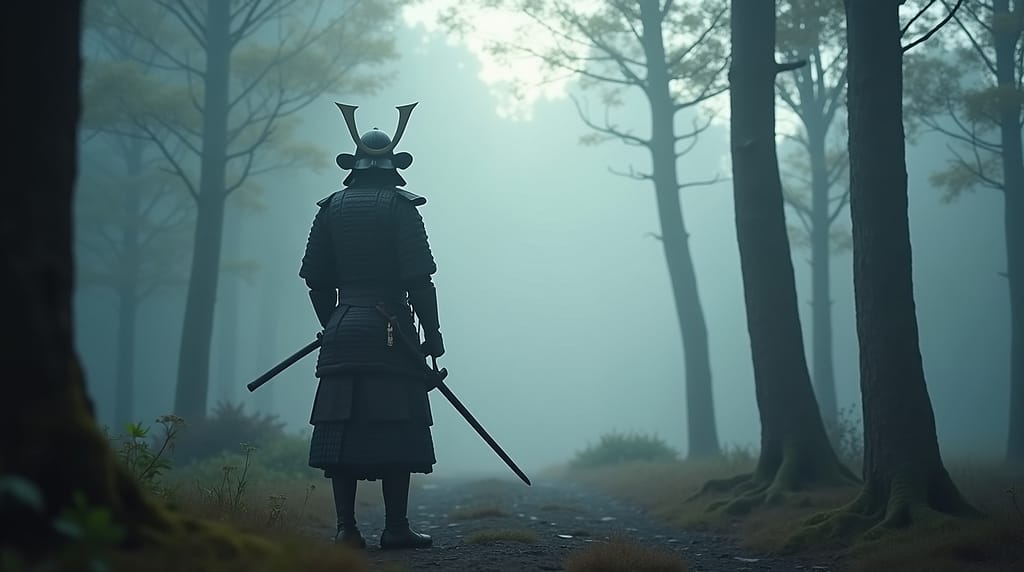
No one embodied this more clearly than Miyamoto Musashi, the legendary Japanese warrior who emphasized flexibility, timing, and adjusting instantly to changing conditions. Musashi believed victory belonged to those who could flow between methods rather than cling to one system.
Modern special forces doctrine reflects this mindset precisely. Operators are trained across multiple weapons platforms, environments, and mission types. Plans are expected to fail. Adaptation is not optional—it is survival.
Units such as the British SAS are famous for operating with minimal support, relying on initiative and rapid decision-making under pressure—an echo of ancient warrior autonomy on hostile terrain.
Discipline and Endurance: Forged Through Hardship
Ancient warriors were not created through comfort. Spartan fighters, tribal war bands, and samurai alike endured harsh conditioning designed to strip weakness and build resilience.
Modern special forces selection mirrors this philosophy. Brutal physical trials, sleep deprivation, stress exposure, and isolation are not meant to teach tactics alone—they forge mental endurance and emotional control.
The lesson is ancient:
The body follows the mind.
The mind must be unbreakable.
Brotherhood: The Warrior Band
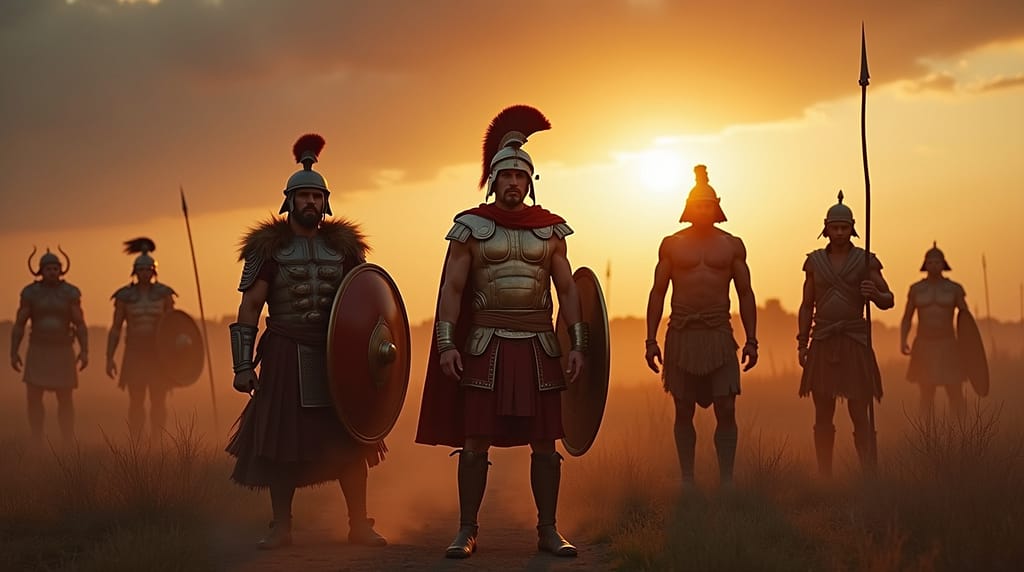
Ancient warriors rarely fought alone. From Spartan units to Norse war bands, survival depended on absolute trust between fighters.
Modern elite units preserve this principle through small-team structures, shared suffering, and deep loyalty. Brotherhood is not a slogan—it is a survival mechanism. When technology fails and chaos reigns, the man beside you matters more than the weapon in your hands.
Weapons Change—Warriors Don’t
Ancient warriors trained with swords, spears, bows, and shields. Modern warriors train with rifles, explosives, and advanced equipment. Yet the decisive factor has never been the tool—it has always been the mind behind it.
Technology amplifies skill, but it cannot replace:
- Judgment
- Discipline
- Adaptability
- Courage
These traits defined warriors thousands of years ago, and they still define elite operators today.
The Timeless Warrior Code
Modern special forces are not new warriors—they are the latest evolution of an ancient lineage. Their effectiveness comes not from abandoning the past, but from refining it.
The battlefield may look different, but the principles that decide victory remain unchanged.
The warrior endures.