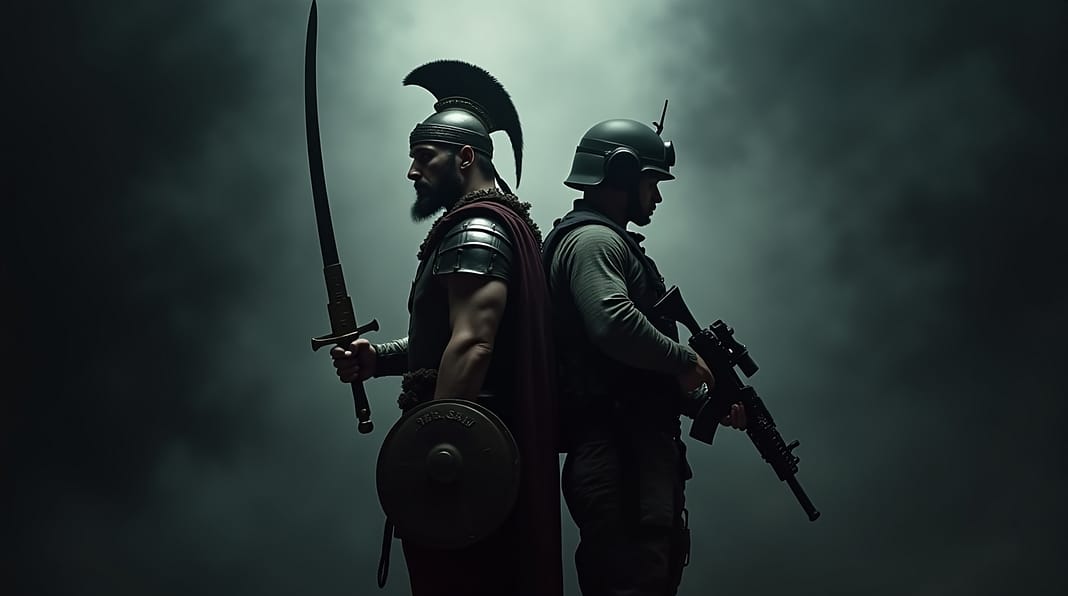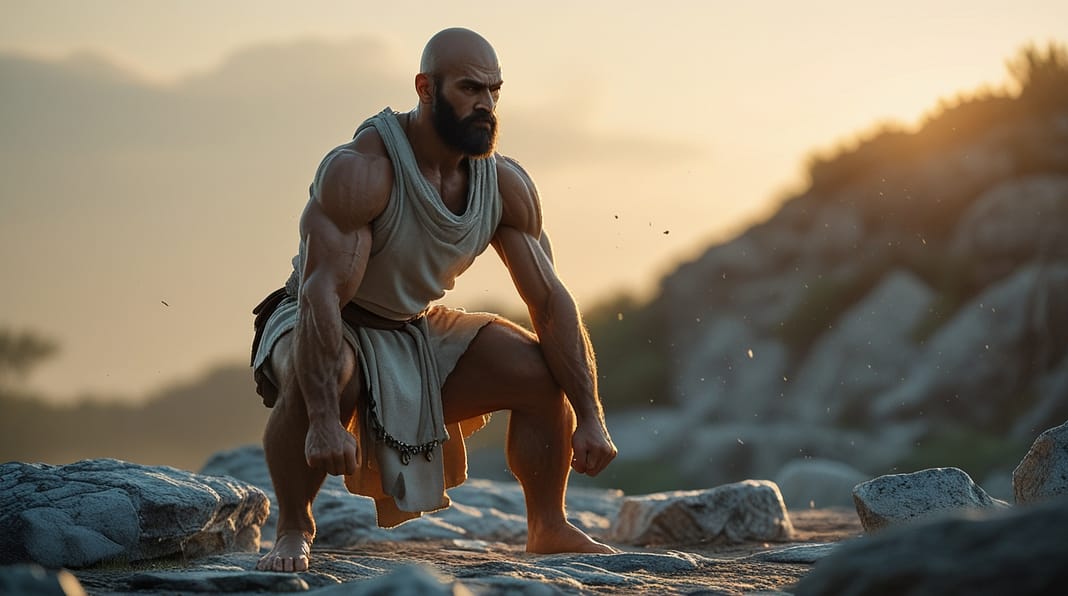
Long before gyms, supplements, training programs, or sports science existed, ancient warriors forged powerful bodies and disciplined minds using nothing but their environment, routine, and necessity. Their lives depended on strength, endurance, awareness, and mental control. Failure was not an inconvenience — it was often fatal.
Because of this, ancient warrior training was not optional, artificial, or separated from life. It was constant, practical, and brutally effective.
Training Through Daily Survival
Ancient warriors did not “exercise” for appearance or recreation. Their training was built directly into daily survival. Hunting animals, tracking enemies, building shelters, carrying water, chopping wood, and traveling long distances over rough terrain created natural, functional strength.
Every movement mattered. There were no wasted repetitions. The body adapted because it had to.
Unlike modern isolation exercises, this kind of training strengthened the entire body at once — legs, core, grip, lungs, and balance — producing warriors who were athletic, durable, and capable in unpredictable conditions.
Endurance as a Primary Weapon
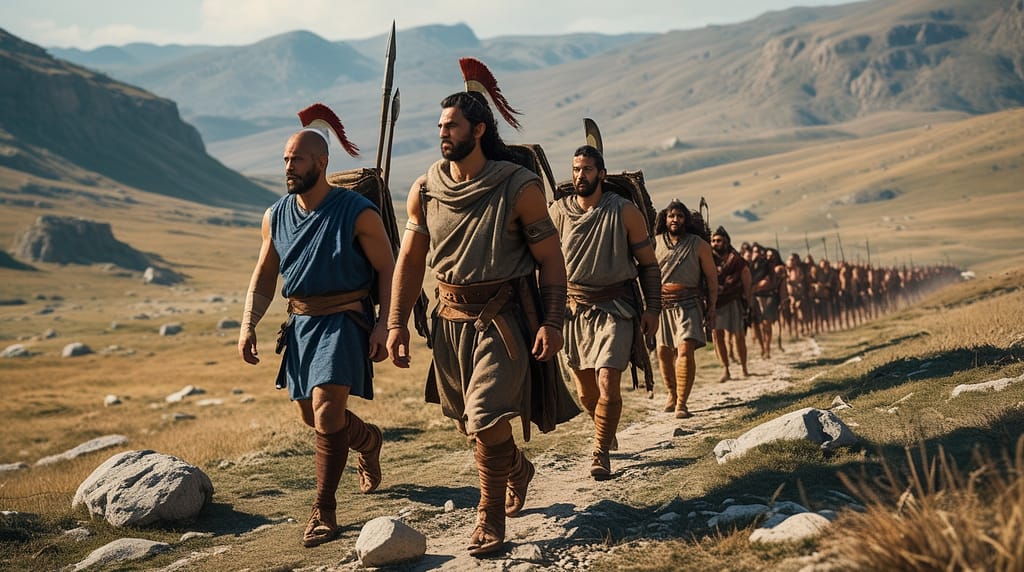
Endurance was one of the most valued warrior traits. Battles, raids, and journeys could last for hours or days. Ancient fighters trained their stamina through long marches, repeated physical labor, swimming, climbing, and wrestling.
They learned to function while tired, hungry, cold, or injured.
This constant exposure to fatigue taught warriors how to conserve energy, control breathing, and maintain awareness even when exhausted. Endurance was not just physical — it was mental. The ability to keep moving when the body wanted to stop separated survivors from casualties.
Strength Built Through Natural Resistance
Ancient warriors lifted heavy objects long before barbells existed. Stones, logs, weapons, shields, and armor provided resistance training. Carrying wounded allies, dragging supplies, or hauling game after a hunt demanded real-world strength.
This kind of resistance built dense, usable muscle rather than showy size.
Their strength was practical — gripping, pulling, pushing, lifting, and stabilizing — the same qualities modern fighters and soldiers still train for today.
Mental Conditioning Through Hardship
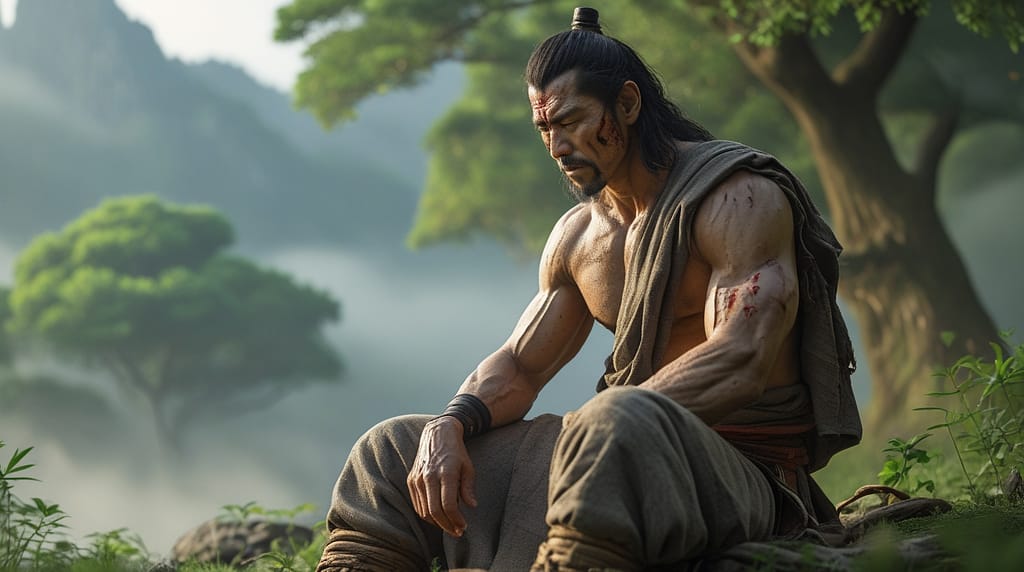
Mental toughness was not taught through motivation or theory. It was developed through controlled hardship. Cold exposure, hunger, sleep deprivation, pain, and fear were familiar experiences for ancient warriors.
Rather than avoiding discomfort, they learned to function inside it.
This hardened their minds. Calm under pressure became second nature. Warriors learned patience, discipline, and emotional control. Panic was dangerous. Fear had to be managed, not eliminated.
These lessons are still central to modern military and combat training.

Weapons as Extensions of the Body
Weapons were not only tools of war — they were training instruments. Daily drills with spears, swords, shields, bows, and clubs developed coordination, balance, grip strength, and precision.
Weapon training demanded focus. A mistake could cause injury even during practice.
Through repetition, warriors built muscle memory and sharpened reflexes. The body and weapon became one system. This integration of movement and awareness is still seen in martial arts and military training today.
Tribal Discipline and Warrior Codes
Training was reinforced by strong social structures. Warrior cultures emphasized discipline, honor, responsibility, and loyalty to the group. These values shaped behavior both in and out of combat.
A warrior trained not just for himself, but for his people.
This sense of purpose strengthened resolve. Quitting was not simply personal failure — it meant letting others down. This social pressure created accountability and pride, pushing warriors to endure conditions others could not.
Lessons for the Modern World
Modern fighters, athletes, and soldiers still rely on many of these ancient principles. Functional training, endurance conditioning, mental resilience, and disciplined routines all come directly from early warrior systems.
Technology has advanced, but the human body and mind remain largely unchanged.
Ancient warriors trained for survival, not comfort. That is why their methods continue to influence modern combat, fitness, and mindset training. The old ways endure because they were built on reality — and reality never changes.