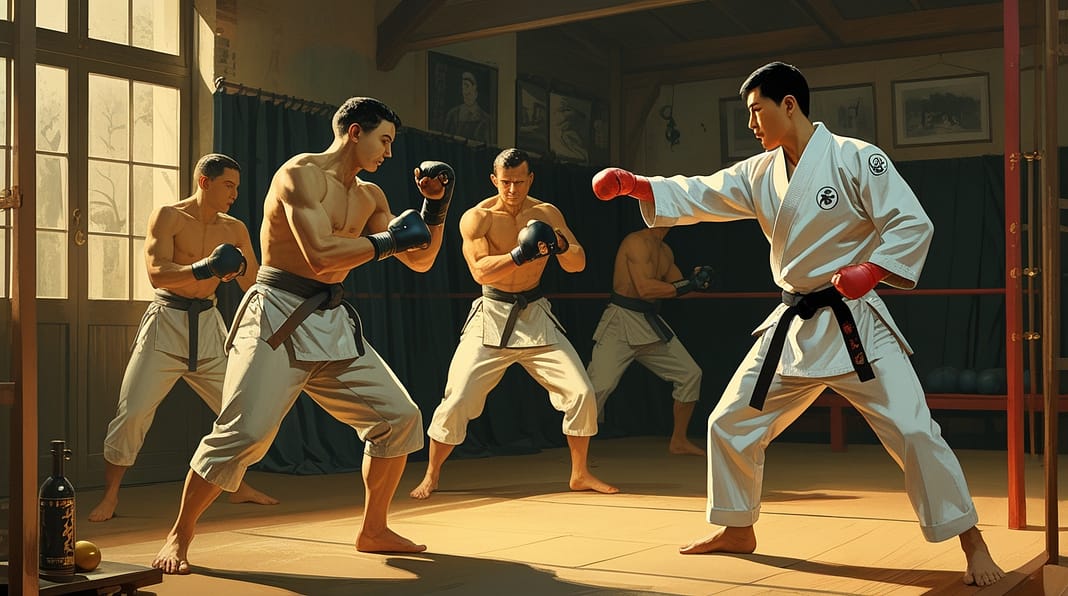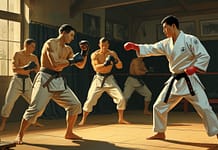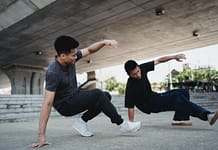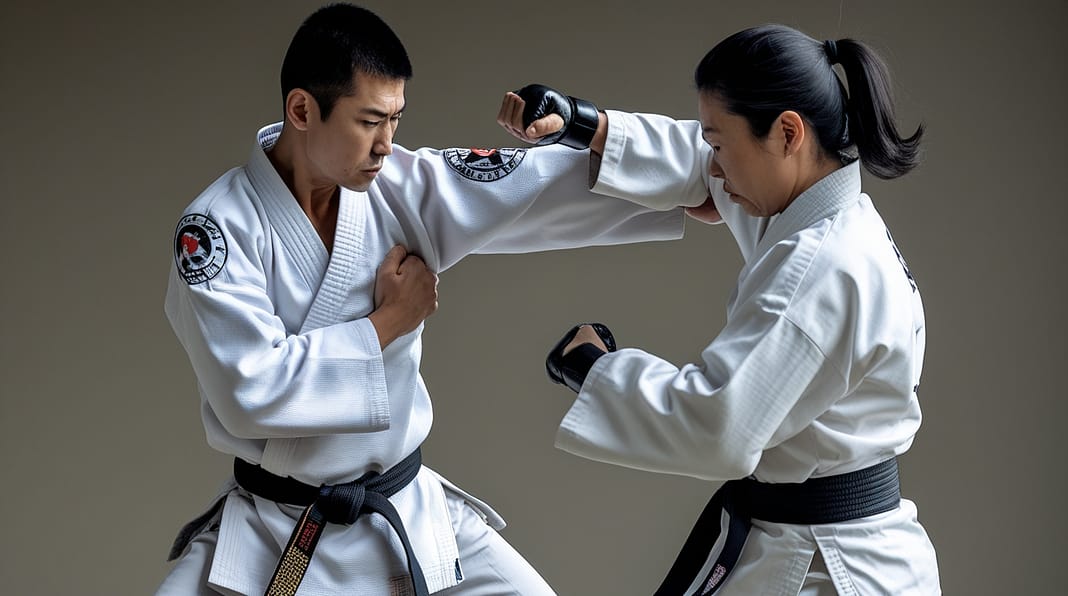
Korean Hapkido is a powerful and practical martial art known for its joint locks, throws, strikes, and real-world self-defense applications. Founded in South Korea in the mid-20th century by Ji Han-Jae, Hapkido blends traditional Korean martial arts with Japanese jujutsu influences to create an effective system for street self-defense. This in-depth guide explores the history of Korean Hapkido, its founder, training principles, effectiveness for self-defense, suitability for women, seniors, and children, and its use in military and law enforcement training.
The Founder of Korean Hapkido
Korean Hapkido was founded by Ji Han-Jae (지한재), one of the most influential martial artists in Korea in the 20th century. Born in 1936 in Andong, Korea, Ji Han-Jae began training in martial arts at a young age. His early training included traditional Korean martial arts as well as Japanese jujutsu and Daito-ryu Aikijujutsu — which influenced many of Hapkido’s joint locks and throwing techniques.
He began teaching what would become Hapkido in the late 1950s and 1960s, eventually establishing schools (dojangs) in Seoul where the art spread rapidly throughout Korea and later the world.
When and Where Hapkido Was Created
Hapkido developed in South Korea during the mid-20th century, particularly in the 1950s and early 1960s, a period marked by Korea’s recovery after the Korean War. The art was refined in urban training halls in Seoul, where Ji Han-Jae and other early masters formalized techniques, training methods, and the philosophy of Hapkido.
While many martial arts trace ancient origins, modern Korean Hapkido is widely recognized as being systematized in the mid-20th century, blending Korean and Japanese martial arts influences into a cohesive self-defense system.
Founding Master’s Background in Martial Arts
Ji Han-Jae’s martial arts journey began in Korea, where he first trained in taekkyeon (traditional Korean kicking art) and other indigenous forms. He later studied Japanese jujutsu styles, especially Daito-ryu Aikijujutsu, which heavily influenced the joint manipulation and throwing techniques in Hapkido today.
Ji Han-Jae also placed emphasis on breathing, harmony, and fluid movement — principles rooted in traditional Eastern martial philosophies. This combination of striking techniques, circular movement, throws, and joint locks became the core framework of what he taught.
What Hapkido Is Based On
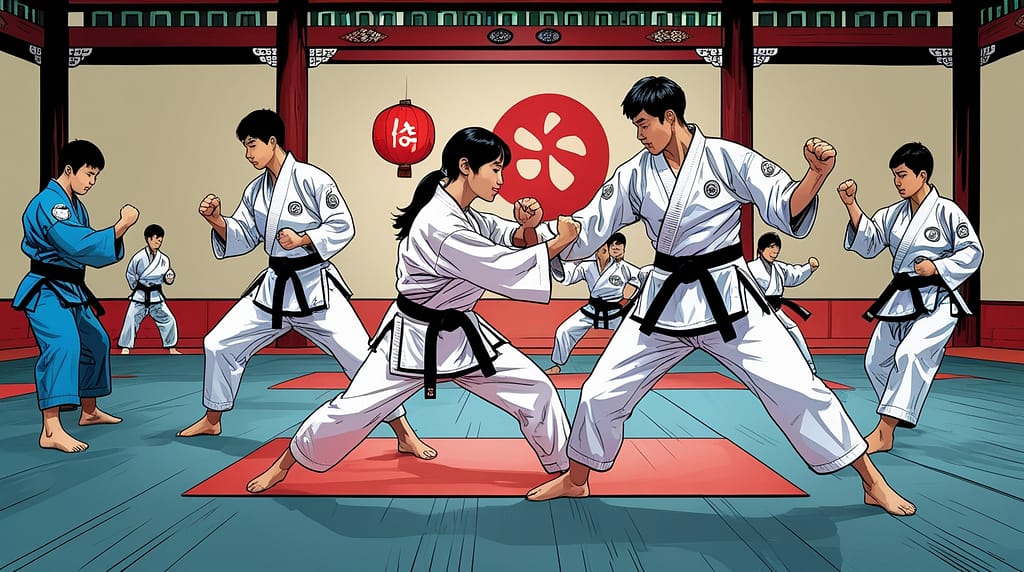
At its core, Korean Hapkido is based on:
🔹 Joint Locks and Control
Hapkido uses precise joint manipulation to control or disable an opponent without relying purely on strength.
🔹 Throws and Takedowns
Derived from traditional grappling styles, throws are used to off-balance and neutralize attackers.
🔹 Strikes and Kicks
Hapkido includes hand strikes, elbow strikes, knee strikes, and high/low kicks that are practical for real-world scenarios.
🔹 Pressure Points and Vital-Target Attacks
Targeting sensitive areas of the body increases control and effectiveness in self-defense.
🔹 Circular Movement and Redirection
Rather than meeting force with force, Hapkido emphasizes redirection, using an opponent’s energy against them.
Hapkido for Street Fighting and Real Self-Defense
One of the most common questions about Korean Hapkido is: How effective is it for street fighting and real self-defense?
The answer: Very effective when trained realistically.
Unlike purely sport-oriented martial arts, Hapkido’s techniques focus on real-world scenarios including:
- Grabs, holds, and clinches
- Multiple attackers
- Ground defense
- Disarming and escaping dangerous situations
Because Hapkido emphasizes practical self-defense, many students find the techniques useful for real confrontations. That said, like any martial art, effectiveness depends on quality of training, realistic sparring, situational awareness, and conditioning.
Is Hapkido Good for All Ages?
🧒 Children
Children can benefit from Hapkido by learning:
- Discipline and focus
- Balance and coordination
- Respect and confidence
- Basic self-defense
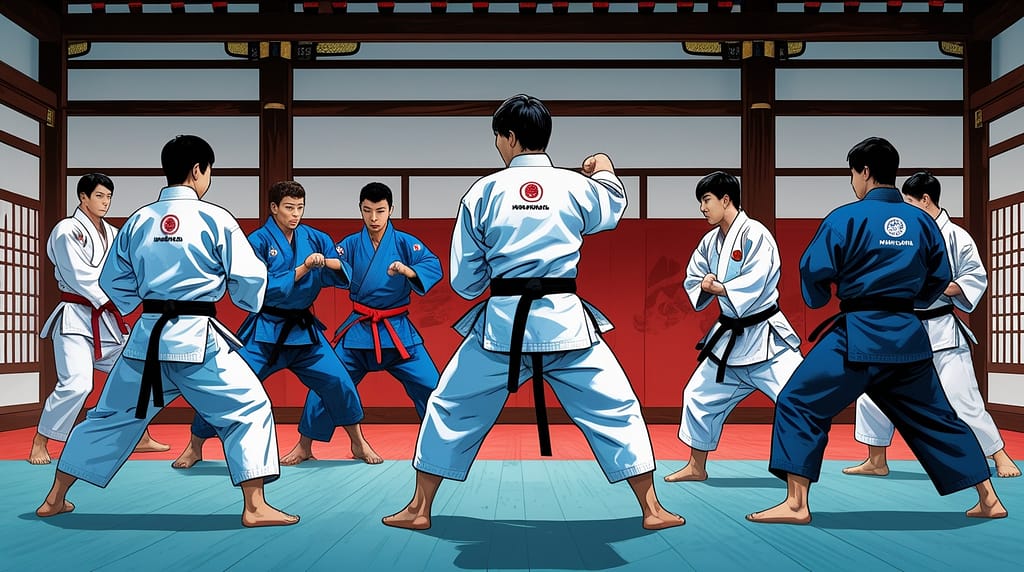
Many dojangs offer age-appropriate curriculum, making it a good option for young students.
👩 Women and Self-Defense
Hapkido is particularly valued for women’s self-defense because it:
- Does not rely on brute strength
- Teaches leverage and balance
- Includes techniques for escaping common holds or grabs
- Builds confidence and assertiveness
Yes — Korean Hapkido is highly suitable for women looking for practical self-defense skills.
👴 Seniors
Senior practitioners can also benefit from Hapkido. Because many techniques focus on leverage and control rather than strength, seniors can train safely with adaptations:
- Lower impact striking
- Controlled partner work
- Balance and flexibility exercises
Hapkido can help improve mobility, stability, and confidence in daily life for older students.
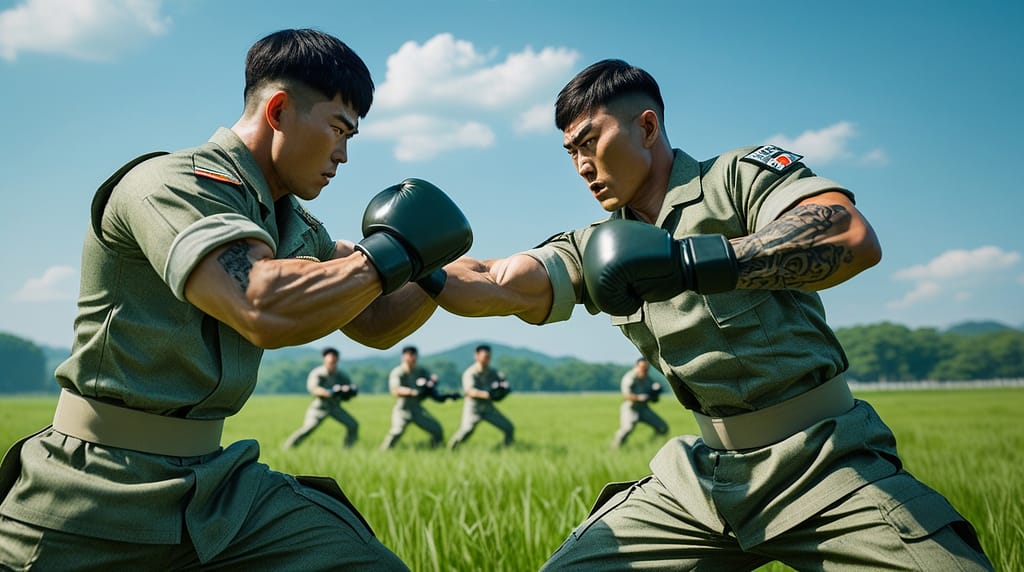
Has the Korean Military Ever Trained in Hapkido?
Yes — various military units and law enforcement agencies in Korea and internationally have incorporated Hapkido techniques into hand-to-hand combat training. While not the official military syllabus in every branch, Hapkido’s joint locks, takedowns, and self-defense methods have been used by:
- Special forces units
- Police tactical teams
- Military martial arts programs
This is because Hapkido emphasizes practical control and self-defense — skills valuable in close-quarters combat and enforcement situations.
Conclusion
Korean Hapkido stands as one of the most well-rounded martial arts for self-defense in the world. With a foundation built by Ji Han-Jae in mid-20th century Korea, Hapkido combines joint locks, throws, strikes, and practical techniques designed for real-world defense. Its adaptability makes it suitable for children, adults, women, and seniors, and its influence has even extended into military and police training.
Whether you’re seeking confidence, self-defense ability, or a lifelong martial art, Korean Hapkido offers a strong path forward — emphasizing balance, control, and practical skills over raw strength alone.
Train smart. Train hard. Stay ready. 🥋