Discover how Colonel Rex Applegate, William Fairbairn, and Eric Sykes created brutal real-world systems of point shooting and knife fighting during World War 2. Learn how their close combat methods trained commandos, OSS agents, and special operations forces for deadly combat at close range.
Rex Applegate, Fairbairn, and Sykes: The Men Who Changed Close Combat Forever
World War 2 changed warfare in many ways. Tanks, airplanes, machine guns, and explosives became more advanced than ever before. But even with all this technology, soldiers still found themselves fighting face-to-face in dark buildings, trenches, forests, and narrow city streets.
In those moments, combat became very personal.
There was no time for perfect target shooting or fancy martial arts moves. Soldiers needed something fast, simple, and brutal that would work under stress and fear.
That is where men like Colonel Rex Applegate, William Fairbairn, and Eric Sykes entered history.
These men helped build some of the most important close combat systems ever created. Their ideas changed military and police training forever, and many modern special operations units still use parts of their systems today.
The Dangerous Streets of Shanghai
Before World War 2, William Fairbairn and Eric Sykes worked in Shanghai, China. During the early 1900s, Shanghai was one of the most violent cities in the world. Criminal gangs, riots, armed robberies, assassinations, and street violence happened almost daily.
Fairbairn worked with the Shanghai Municipal Police and quickly learned that real combat looked nothing like sport fighting.
Gunfights happened at very close range. Knife attacks were sudden and violent. Many officers were attacked before they even had time to react.
Fairbairn studied many fighting systems during his life. He trained in boxing, wrestling, jujitsu, and other martial arts, but he believed many traditional systems were too complicated for real street combat.
Eric Sykes also worked closely with Fairbairn in Shanghai. Together, they began creating a practical combat system based on real violence instead of sport competition.
They watched what worked during actual gunfights and knife attacks. Anything useless was removed.
Their system became focused on speed, aggression, surprise, and survival.
The Birth of Point Shooting
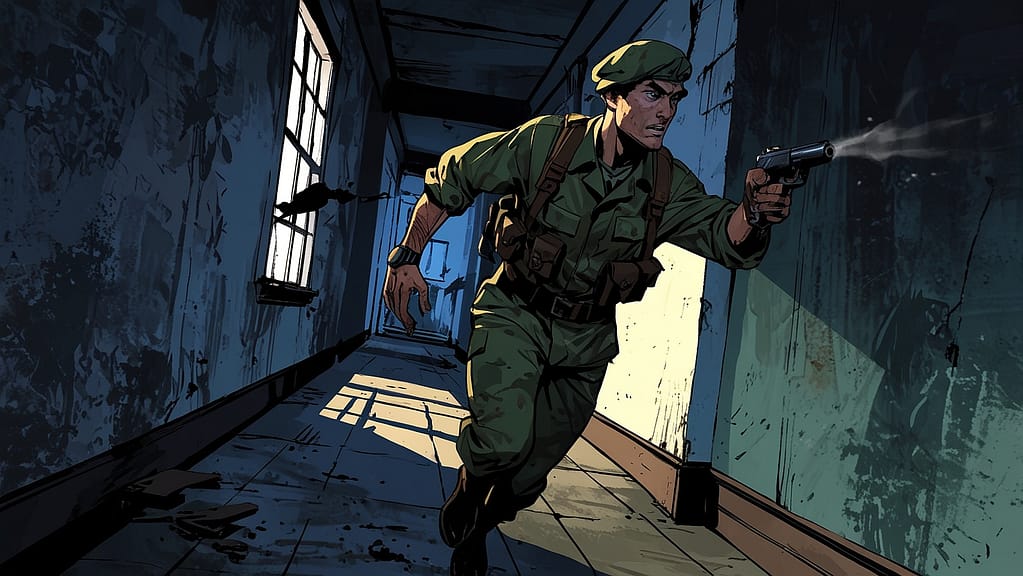
One of the most important ideas they developed was point shooting.
At that time, many shooting instructors taught slow and careful target shooting. Soldiers and police officers were trained to stand still, line up the sights carefully, and fire with precision.
But Fairbairn and Sykes noticed something very important.
In real close-range combat, people rarely had time to aim perfectly.
Most deadly fights happened very fast. Sometimes they lasted only a few seconds.
Instead of slowly aiming, they trained shooters to react naturally. The pistol was raised quickly while the shooter focused directly on the target instead of the sights.
This became known as point shooting.
The idea was simple. At close range, speed and reaction mattered more than perfect accuracy.
Their training also taught movement, quick draws, instinctive firing, low-light shooting, and firing while under stress.
These ideas were considered revolutionary at the time.
Rex Applegate and American Combat Training
During World War 2, Colonel Rex Applegate became one of the men who helped spread these methods in the United States.
Applegate worked with the OSS, which later became the CIA. He trained commandos, spies, resistance fighters, and military personnel in close combat techniques.
Applegate studied closely under Fairbairn and learned many of his combat methods.
He strongly believed that combat shooting had to be simple enough to work during fear, confusion, and adrenaline.
According to Applegate, the body changes under stress. Hands shake. Vision narrows. Fine motor skills disappear.
Because of this, he believed complicated shooting techniques often failed in real combat.
Like Fairbairn and Sykes, he focused on natural movement and aggressive action.
Applegate later wrote books about close combat and shooting that became highly respected in military and law enforcement circles.
His teachings helped shape modern combat pistol training for decades.
The Fairbairn-Sykes Fighting Knife
Another major part of their combat system was knife fighting.
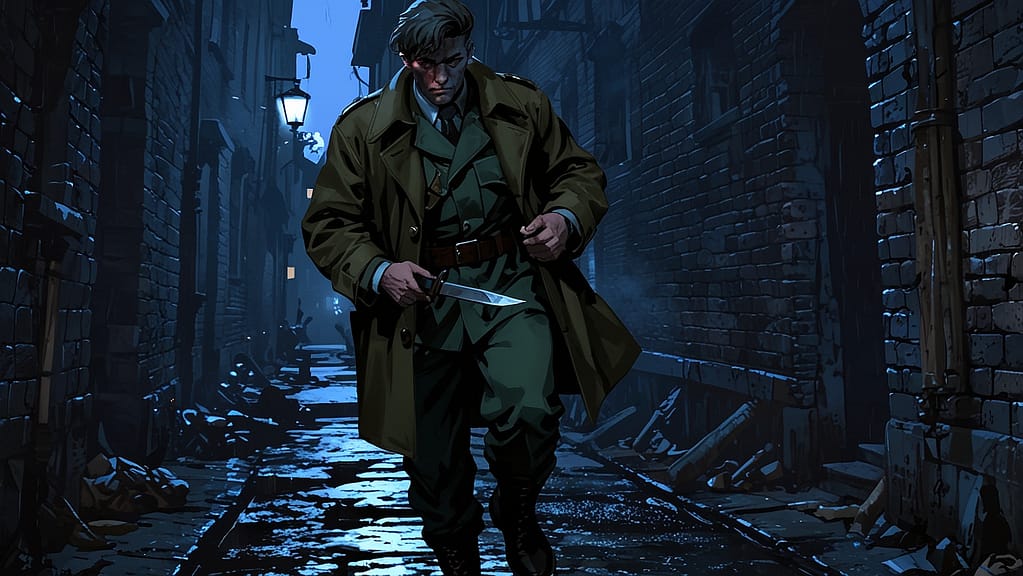
Fairbairn and Sykes designed one of the most famous combat knives in history: the Fairbairn-Sykes fighting knife.
The knife was slim, lightweight, and double-edged. It was designed mainly for thrusting attacks during close combat.
British commandos quickly adopted the knife during World War 2.
Soon, it became a symbol of elite military forces and special operations units.
Unlike large military bayonets, the Fairbairn-Sykes knife was built for speed and stealth.
The knife system taught by Fairbairn and Sykes was direct and brutal.
There were no flashy tricks or complicated movements.
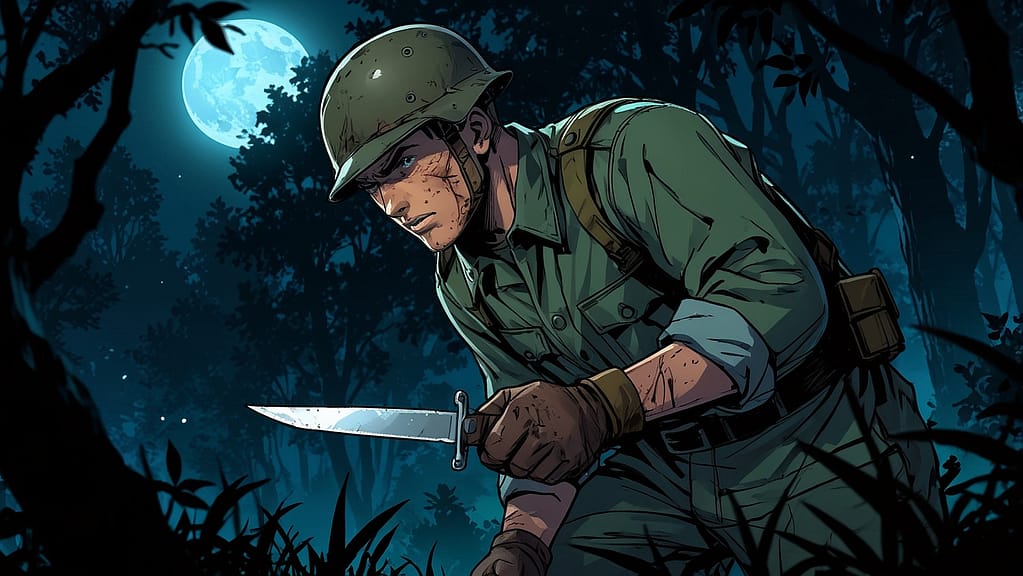
Soldiers were taught simple strikes, fast thrusts, surprise attacks, and silent takedowns.
The goal was survival, not sport.
Training the Commandos and Secret Units
Fairbairn, Sykes, and Applegate trained some of the most dangerous fighting units of World War 2.
Their students included British Commandos, OSS agents, resistance fighters, special raiding forces, and other secret military groups.
Training was intense and realistic.
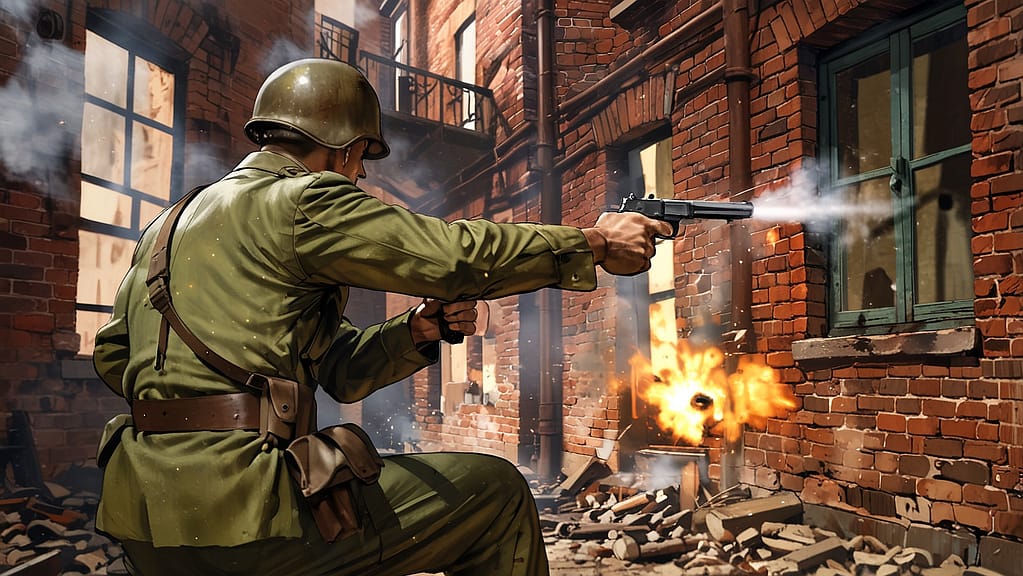
Soldiers practiced fighting in dark rooms, narrow hallways, and stressful environments. They trained with pistols, knives, clubs, garrotes, and hand-to-hand combat techniques.
The instructors wanted the soldiers to become aggressive and confident under pressure.
Many of these men later carried their training into some of the most dangerous missions of the war.
Some worked behind enemy lines. Others conducted sabotage missions, raids, assassinations, and intelligence operations.
Their survival often depended on the close combat methods they learned.
The Lasting Influence of Their Combat Systems
Even today, the influence of Fairbairn, Sykes, and Applegate can still be seen around the world.
Modern military and law enforcement units continue to study close quarters combat, instinctive shooting, rapid reaction drills, and edged weapon defense.
While modern firearms and tactics have evolved, many of the core ideas remain the same.
Speed. Aggression. Simplicity. Survival.
That was the heart of their system.
These men understood something very important about violence. Real combat is fast, chaotic, and terrifying. Under those conditions, complicated techniques often fail.
Their methods were designed for ordinary men forced into extraordinary situations.
And because of that, their ideas survived long after World War 2 ended.
Conclusion
Rex Applegate, William Fairbairn, and Eric Sykes helped change close combat forever.
They took lessons from violent streets, deadly gunfights, military warfare, and real-life survival situations to create systems built for war instead of sport.
Their point shooting methods challenged traditional shooting ideas. Their knife fighting systems became legendary among commandos and special operations forces.
Most importantly, they created combat systems that ordinary soldiers could learn quickly and use under extreme stress.
Even decades later, their influence can still be found in military training rooms, police academies, tactical schools, and modern close quarters combat systems across the world.
Their methods were simple, brutal, and effective.
And in war, effectiveness is all that matters.