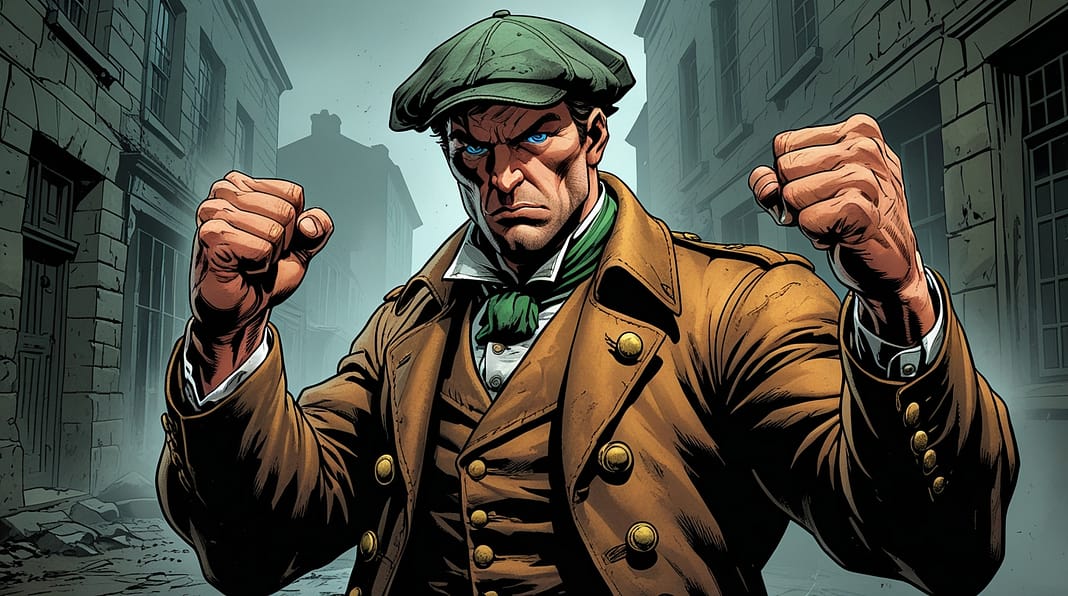
The Fenian Brotherhood was an Irish rebel movement known not only for resistance, but for brutal hand-to-hand fighting, grappling, and bare-knuckle street combat shaped by survival and rebellion.
Who Were the Fenian Brotherhood?
The Fenian Brotherhood was a secret Irish revolutionary group formed in 1858.
Their goal was simple: free Ireland from British rule.
The movement existed in Ireland and the United States, made up of working-class Irishmen—dockworkers, laborers, soldiers, and street fighters—men already hardened by poverty and violence.
This was not a gentleman’s rebellion.
It was raw, physical, and ruthless.
The Fighting Men of the Fenian Brotherhood
The Fenian Brotherhood was not a martial arts school—but many of its members were already feared fighters long before they became rebels.
Most Fenians came from:
- Irish dockyards
- Factory floors
- Mining towns
- Military service (British and American armies)
Violence was part of daily life. Fighting skill earned respect and protection.
Notable Fighters and Hard Men of the Fenian Era
While few Fenians were officially recorded as “fighters,” several men were famous in their day for physical dominance, brawling ability, or battlefield toughness.
James Stephens
Founder of the Fenian movement in Ireland.
While not a prizefighter, Stephens was known as a physically imposing man who valued toughness, discipline, and readiness for violence among his followers.
John O’Mahony
A founder of the Fenian Brotherhood in America.
A former soldier and militant nationalist, he pushed military-style drilling and close-combat readiness, not just political organizing.
Fighting Icons of Irish Culture (Fenian-Adjacent)
These men were not official Fenians, but they shaped the fighting culture Fenians grew up with:
- John L. Sullivan – Irish-American bare-knuckle champion, symbol of Irish fighting pride
- Dan Donnelly – Legendary Irish bare-knuckle boxer (early 1800s), still spoken of in Fenian-era pubs
- Dockyard enforcers and pub fighters whose names never made newspapers, but were locally famous
In Fenian communities, fighters mattered as much as speakers.
Famous Fenian Actions and Close Combat
The Battle of Ridgeway (1866)
Battle of Ridgeway
One of the most famous Fenian engagements.
- Fenians fought Canadian militia in open combat
- Many were Civil War veterans
- Bayonet charges, grappling, and brutal close-range fighting occurred
This was not ceremonial warfare. It was hand-to-hand chaos.
Fenian Fighting Techniques
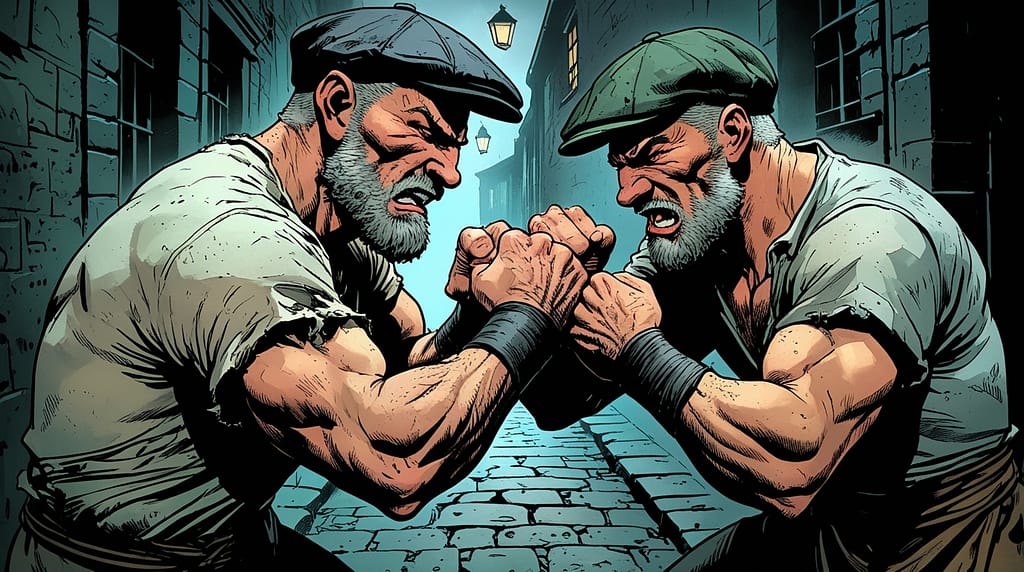
1. Collar-and-Elbow Grappling
A traditional Irish wrestling method:
- Gripping the collar and sleeve
- Throws, trips, and body locks
- Designed for uneven ground and tight spaces
Perfect for alleys and taverns.
2. Bare-Knuckle Boxing
Common techniques included:
- Straight punches to the face
- Heavy body blows
- Clinch fighting with short strikes
- Head positioning and forearm pressure
Breaking hands was normal. Fighters learned to hit smart, not flashy.
3. Clinch Control and Dirty Fighting
Fenians used:
- Headbutts
- Elbow bumps
- Foot stomps
- Throws into walls or cobblestone streets
This was survival fighting, not sport.
Training Methods and Drills
The Fenian Brotherhood had no formal dojos—but they trained constantly.
Common Training Methods
- Wrestling matches after work
- Boxing in yards and barns
- Strength training through labor
- Military drilling and marching
- Sparring disguised as “play fighting”
Reputation-Building
A man who could:
- Win pub fights
- Hold his own against soldiers
- Control another man physically
…earned trust fast inside Fenian circles.
Why Fighting Skills Mattered
Fenians did not always have weapons.
They often fought in alleys, pubs, docks, and city streets.
Because of this, hand-to-hand combat was essential.
They trained their bodies the way soldiers train weapons.
Fenian Grappling and Close Combat
Irish fighting culture was already strong long before the Fenians.
They relied on:
- Collar-and-elbow wrestling – a traditional Irish grappling style
- Body locks and throws – fast takedowns on stone streets
- Balance breaking – off-balancing an opponent before strikes
- Ground control – holding, pinning, or disabling an enemy quickly
This was not sport wrestling.
It was control for survival.
Bare-Knuckle Street Fighting
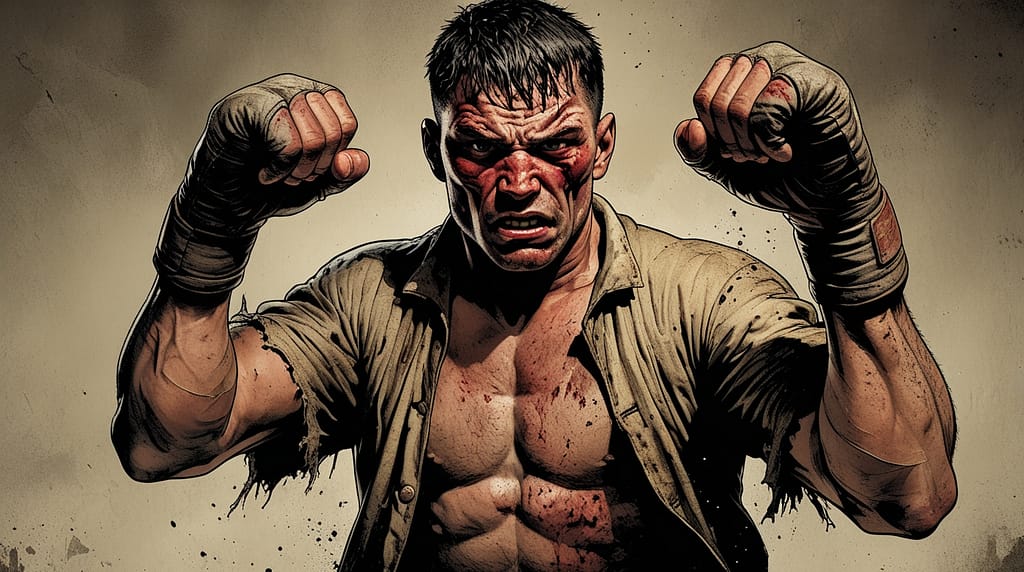
Bare-knuckle boxing was common in the 1800s.
Fenians grew up watching it—or fighting themselves.
Their style was:
- Heavy punches to the jaw and nose
- Headbutts and forearm strikes
- Clinch fighting with short punches
- Attacks meant to end the fight fast
No gloves.
No rules.
No mercy.
Training Without Dojos
The Fenian Brotherhood didn’t have formal gyms.
They trained through:
- Hard labor jobs
- Street fights and brawls
- Wrestling matches in yards and pubs
- Military drills for those with service experience
Strength, endurance, and pain tolerance mattered more than technique alone.
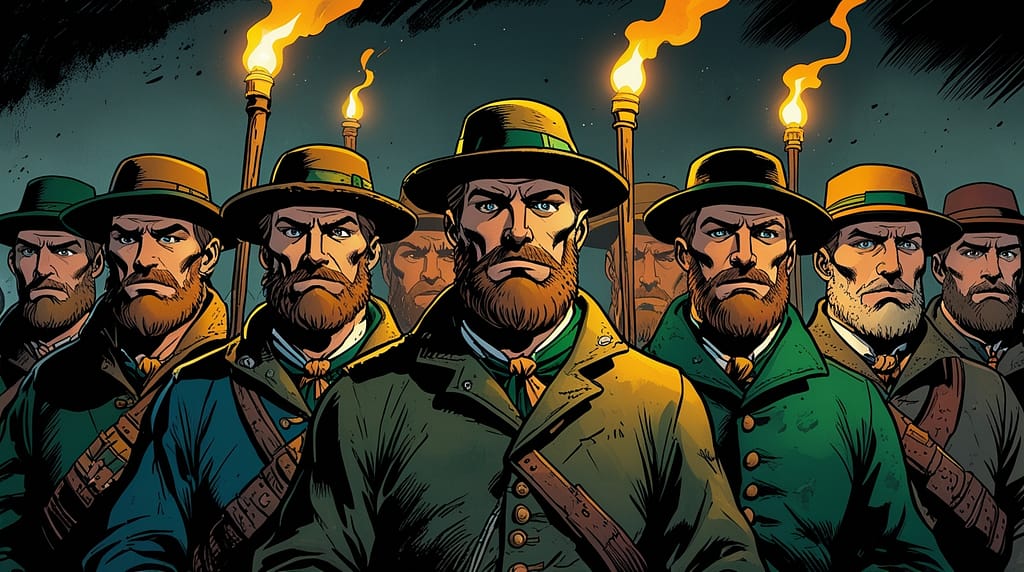
Why the Fenians Matter to Martial History
The Fenian Brotherhood represents a forgotten truth:
Real fighting systems are often born from rebellion, not schools.
Their grappling and bare-knuckle fighting influenced later Irish boxing traditions, police close-combat, and even early American street fighting culture.
This was working-class combat, shaped by oppression and resistance.
he Fenian Brotherhood represents a lost chapter of European combatives:
- Working-class combat
- Grappling-first survival fighting
- No uniforms, no belts, no rules
In Conclusion
The Fenian Brotherhood didn’t fight for trophies.
They fought for freedom.
Their style was simple, brutal, and effective—
control the body, strike hard, and survive.
That spirit is pure Renegade Fighting Arts.