What Is Protein?
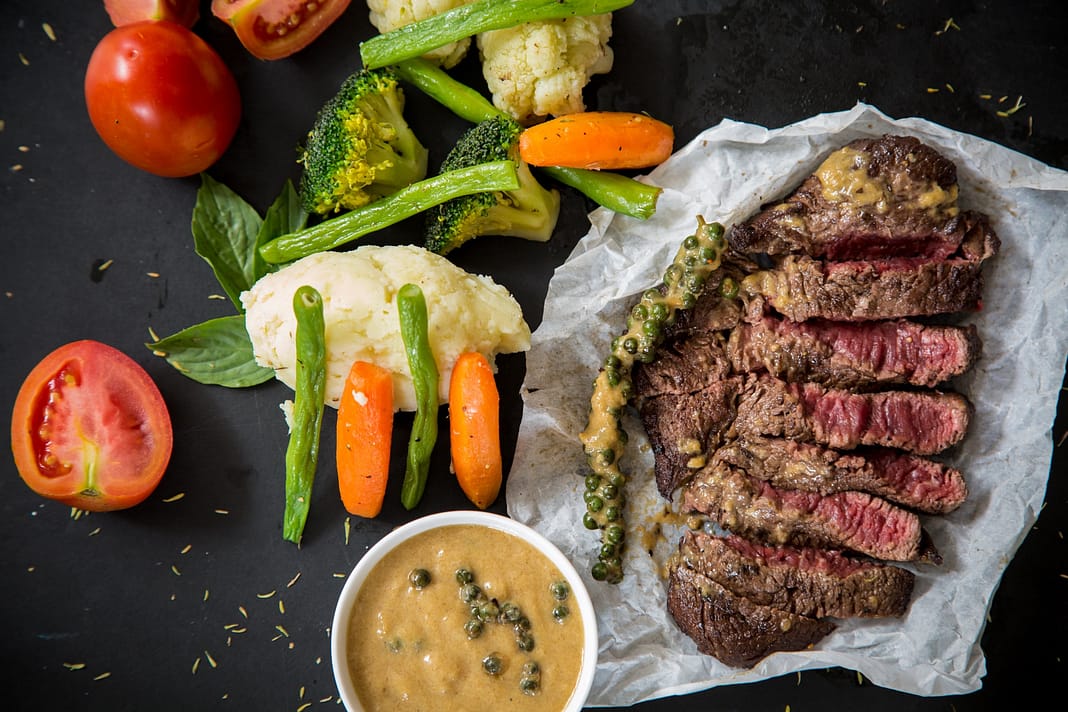
Proteins are a naturally occurring, very complex substance that consists of amino acid residues joined by peptide bonds. Proteins are in all living organisms and include many biological compounds such as enzymes, hormones, and antibodies. They do most of the work in cells and are needed for the structure, function, and regulation of the body’s tissues and organs. The three structures of proteins are fibrous, globular, and membrane. Complete proteins include meat and dairy products, quinoa, hemp seeds, chia seeds, and also soy. Many plant-based proteins are not complete proteins. These would include beans, grains, legumes, and also vegetables, which contain small amounts of protein.
How Much Protein Does Your Body Need?
Anywhere from 10 to 35 percent of the calories, you consume should come from protein. So, if you need 2,000 calories, that’s 200-700 calories from protein (50-175 grams). The recommended dietary allowance to prevent deficiency for an average sedentary adult is 0.8 g per kg of body weight. If you don’t eat enough proteins, you will lose muscle mass, which will cut your strength, will then make it harder to keep your balance, and will slow your metabolism. It could also lead to anemia when your cells don’t get enough oxygen, which makes you tired. Getting enough protein in your diet is important for good health. High protein consumption will offer numerous benefits, such as helping you lose weight, gain muscle, and improve your body composition and metabolic health.
What Does Protein Do For Martial Artists And Other Athletes?
Protein is a very important part of an athlete’s diet as it helps repair and strengthen muscle tissue. High protein diets are popular among athletes, especially those seeking a leaner, more defined physique. When you combine regular activity and exercise with high protein intake, it will promote muscle growth and strengthening. Athletes need more protein when they are building, or repairing muscle as well as connective tissue. They need two to three times more protein than normal people or between 1.4-2g per kilo of body weight per day. It all really depends on the type of sport or activity the athlete is involved in. A teenage athlete should consume 0.6 to 0.9 grams of protein per pound of body weight daily. Take this as an example, an athlete weighing 150 pounds should consume between 105 and 135 grams of protein per day. Protein is also important for the growth and development of children and pregnant women.